Case No. 456
The value of patience
Correction on the scalp chart
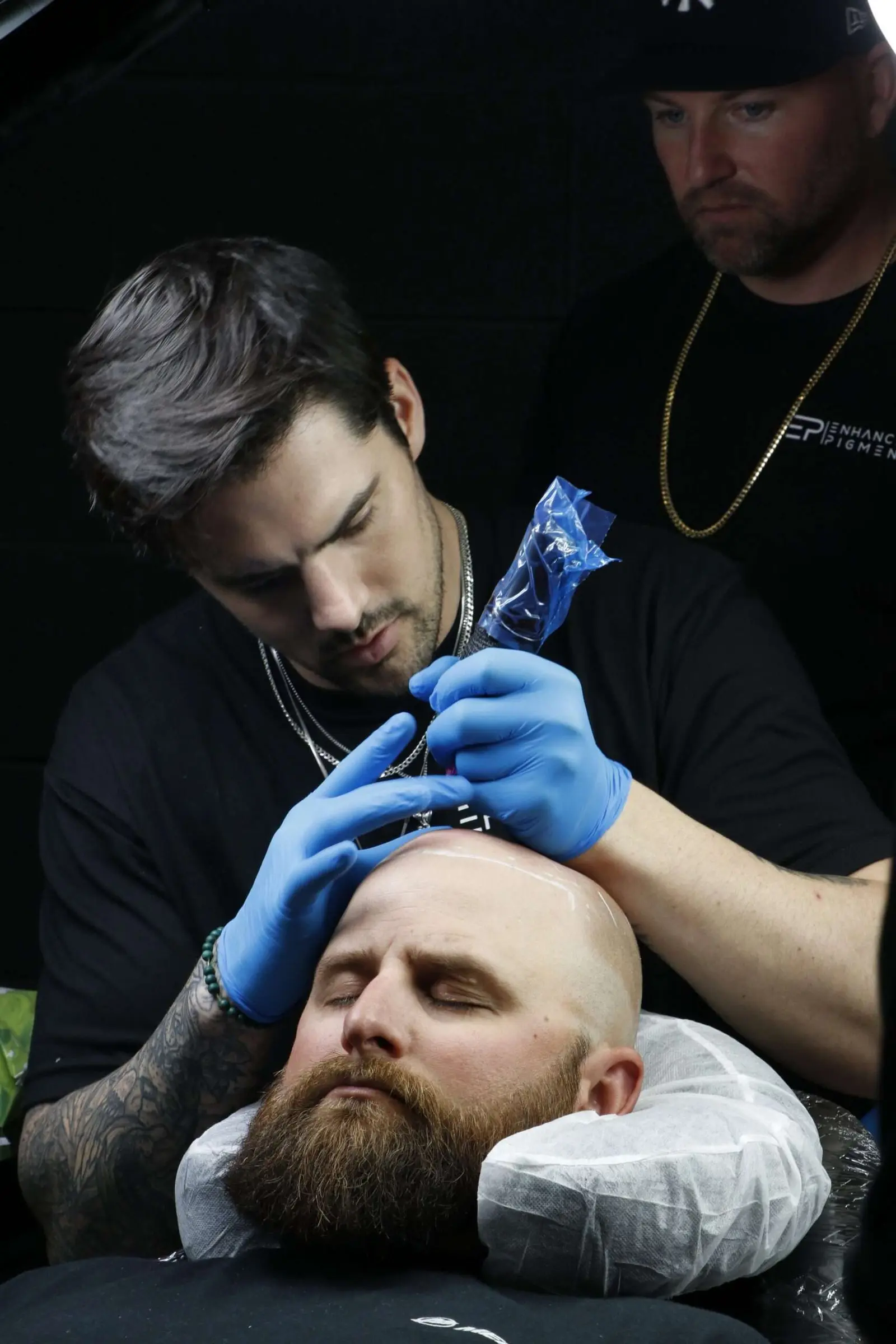
At the consultation, James sketches the area he will treat on a chart like this one.
Healed work, after every layer has settled into one tone.
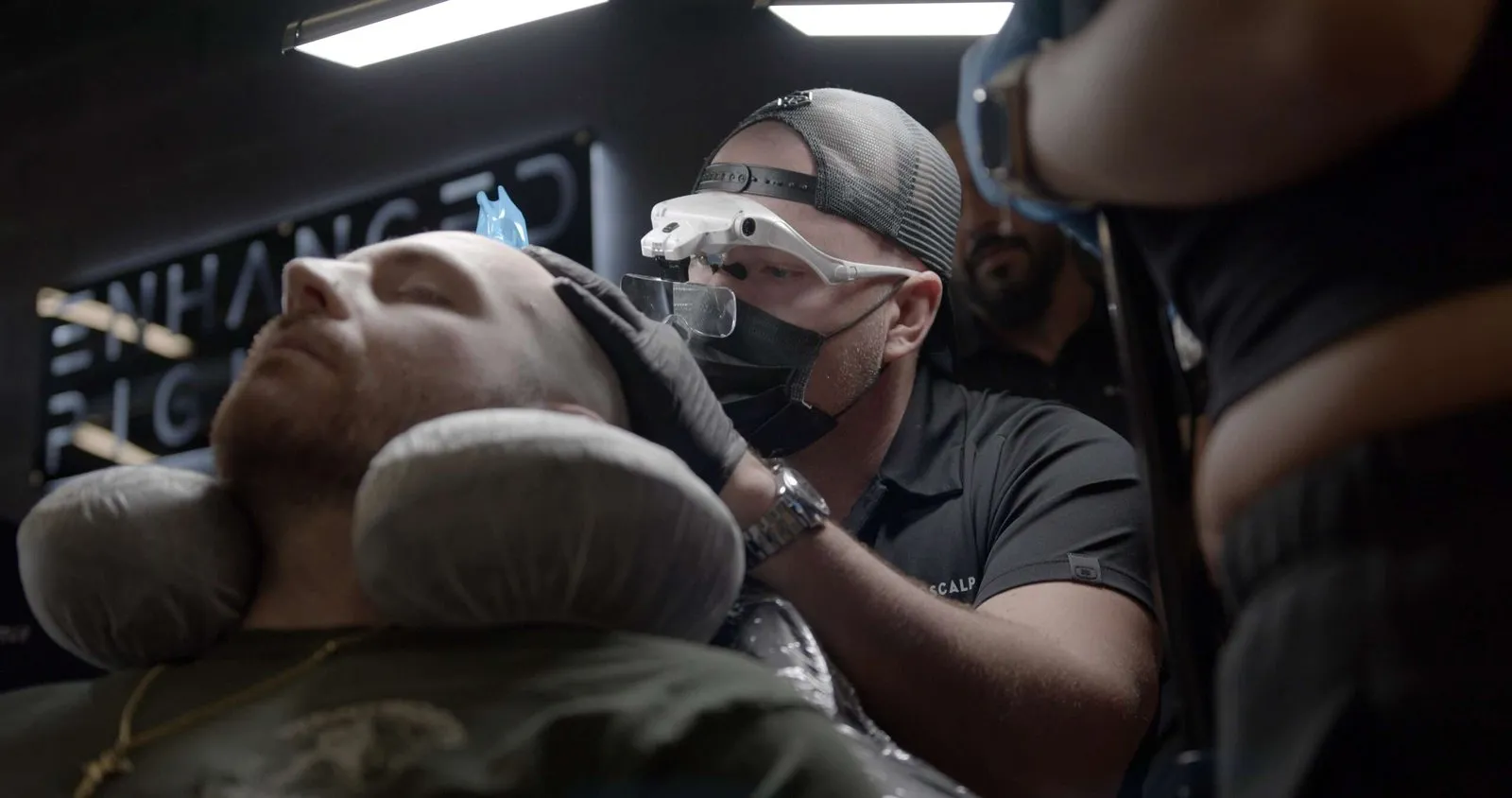
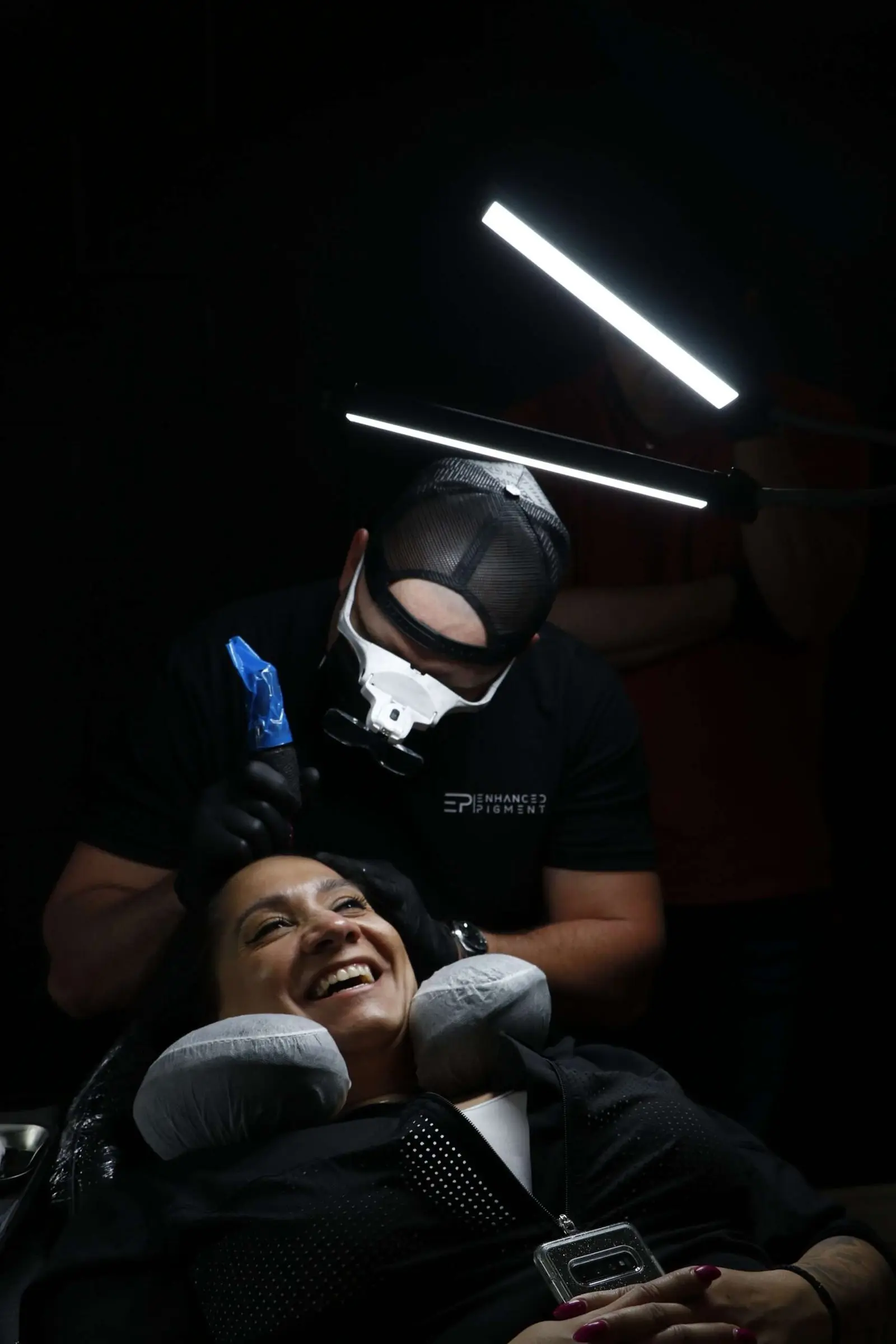
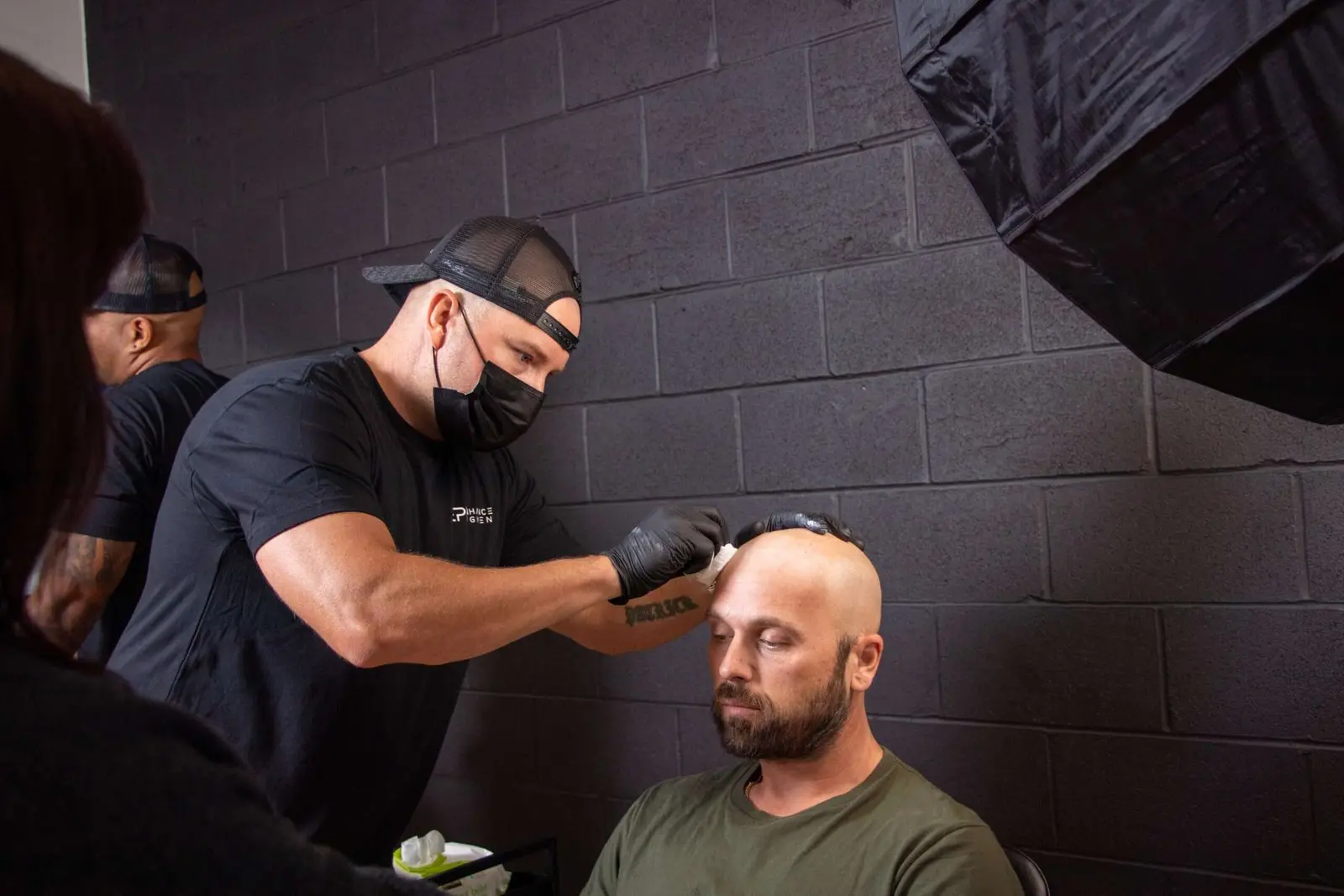
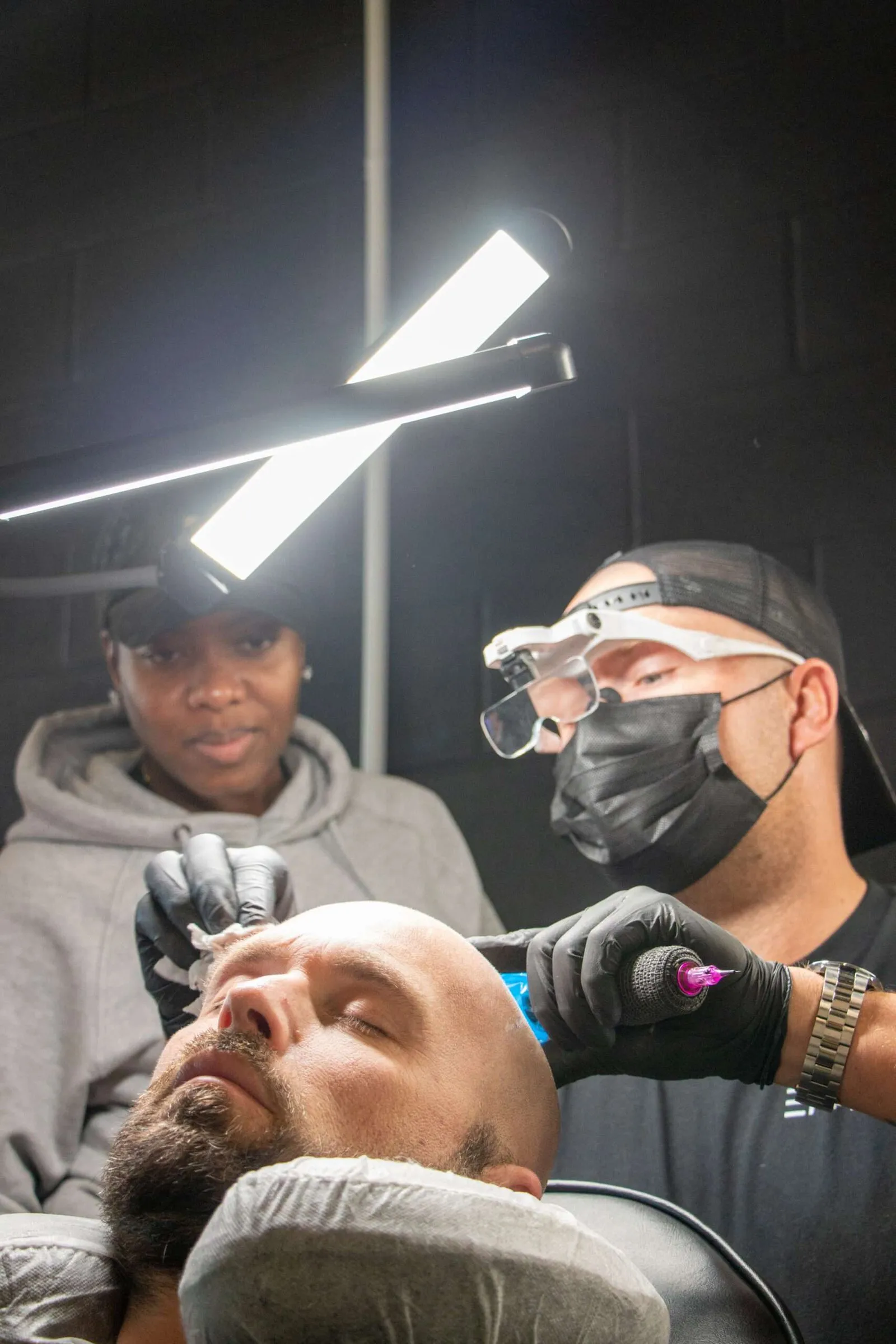
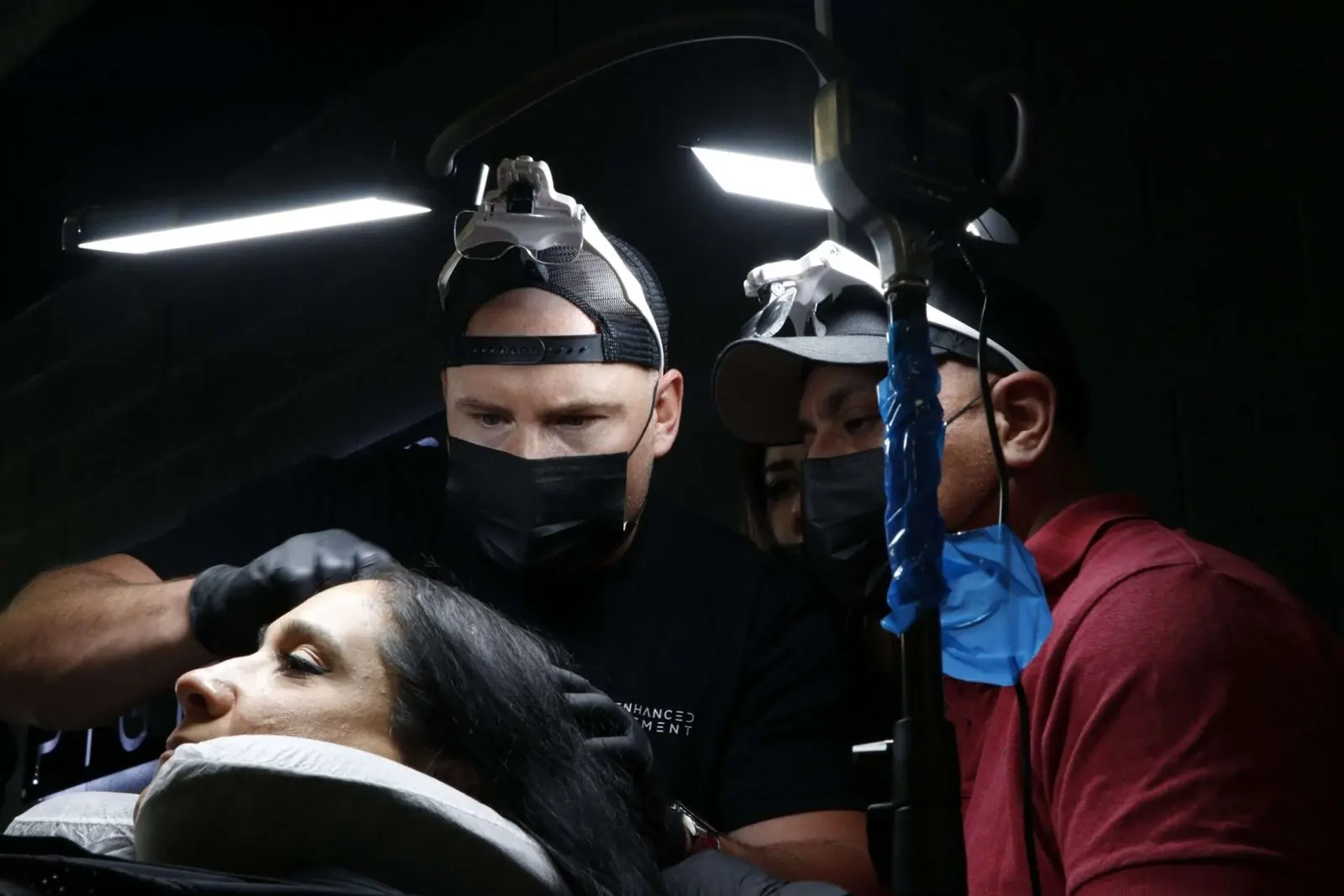
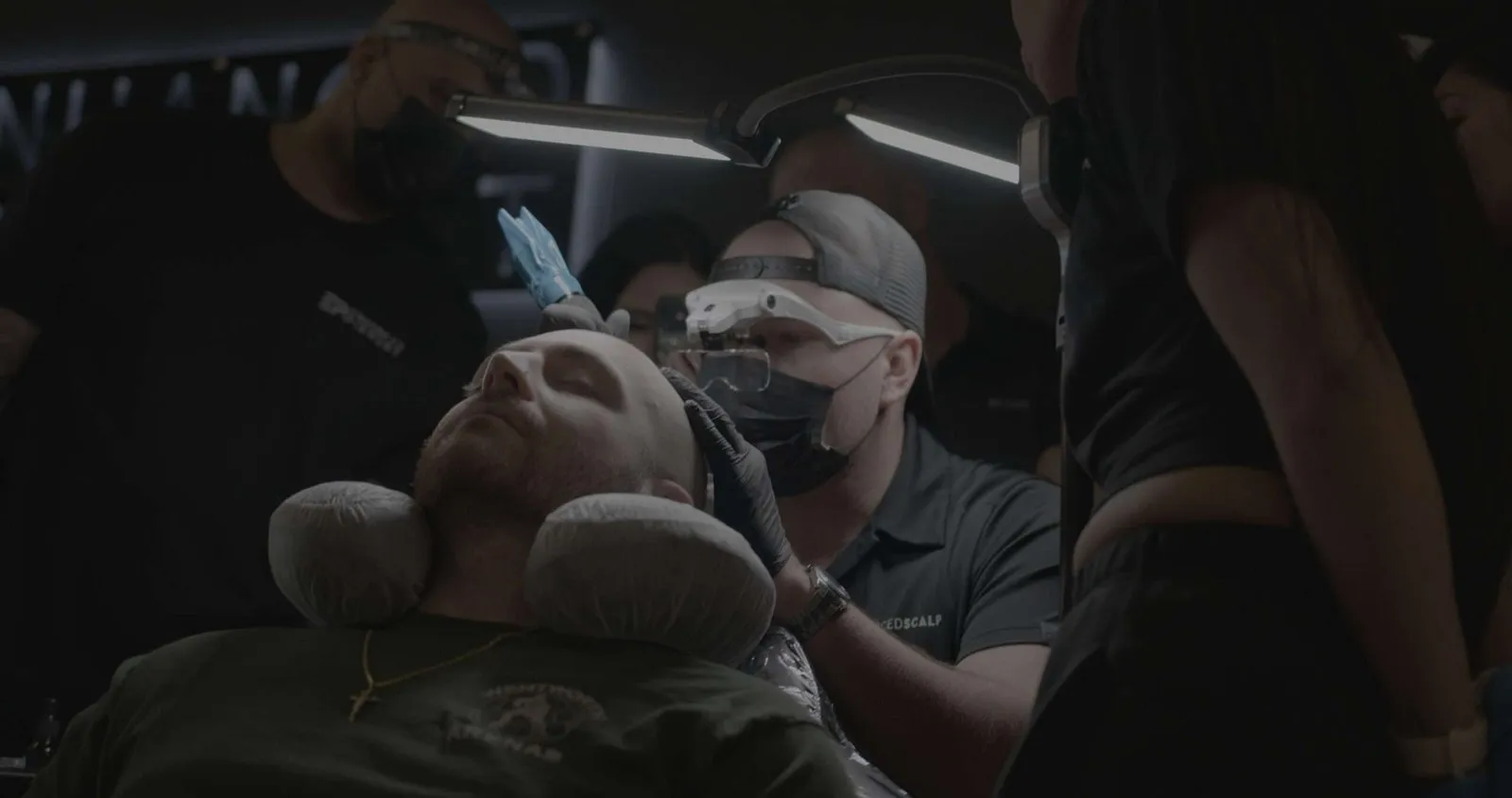
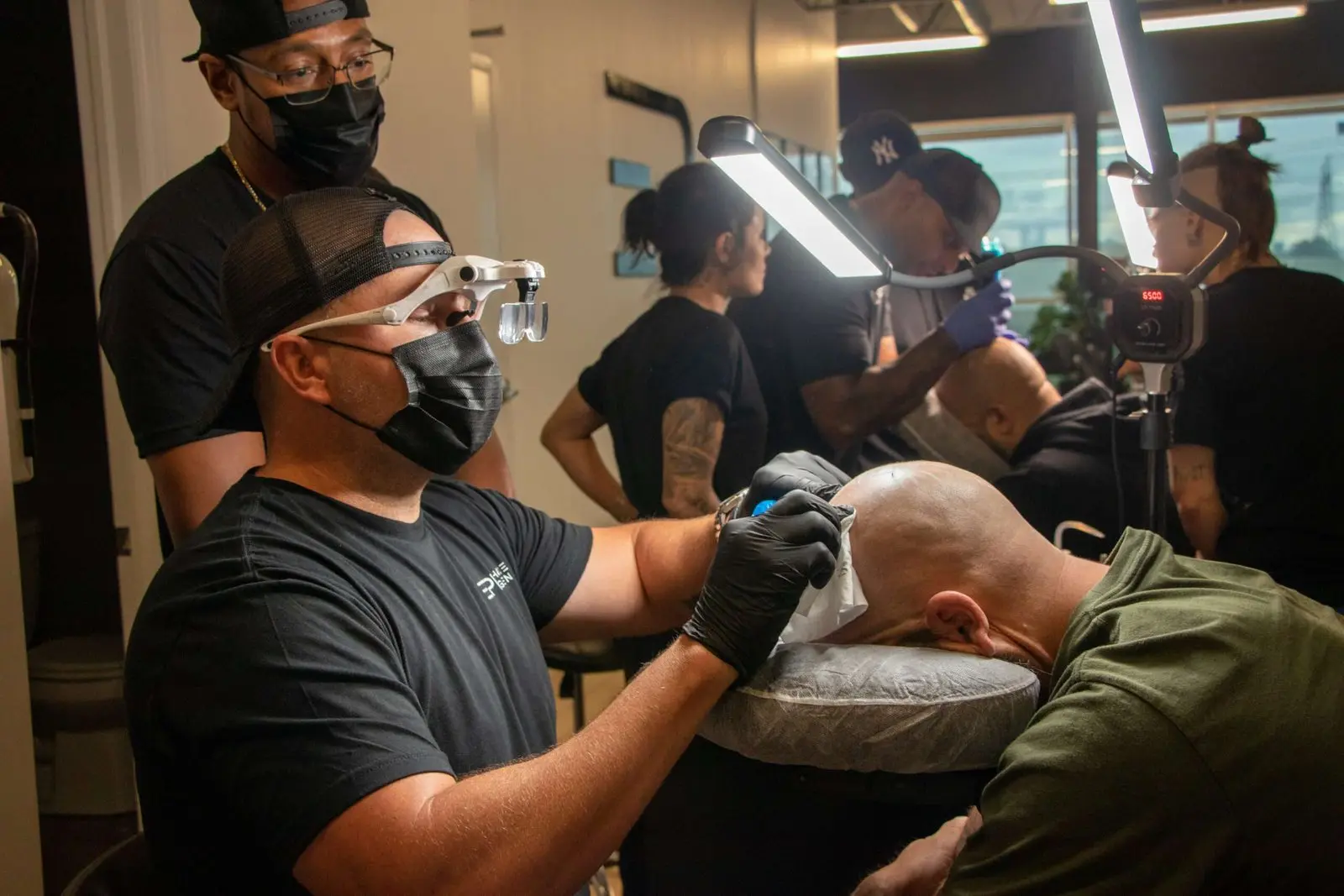
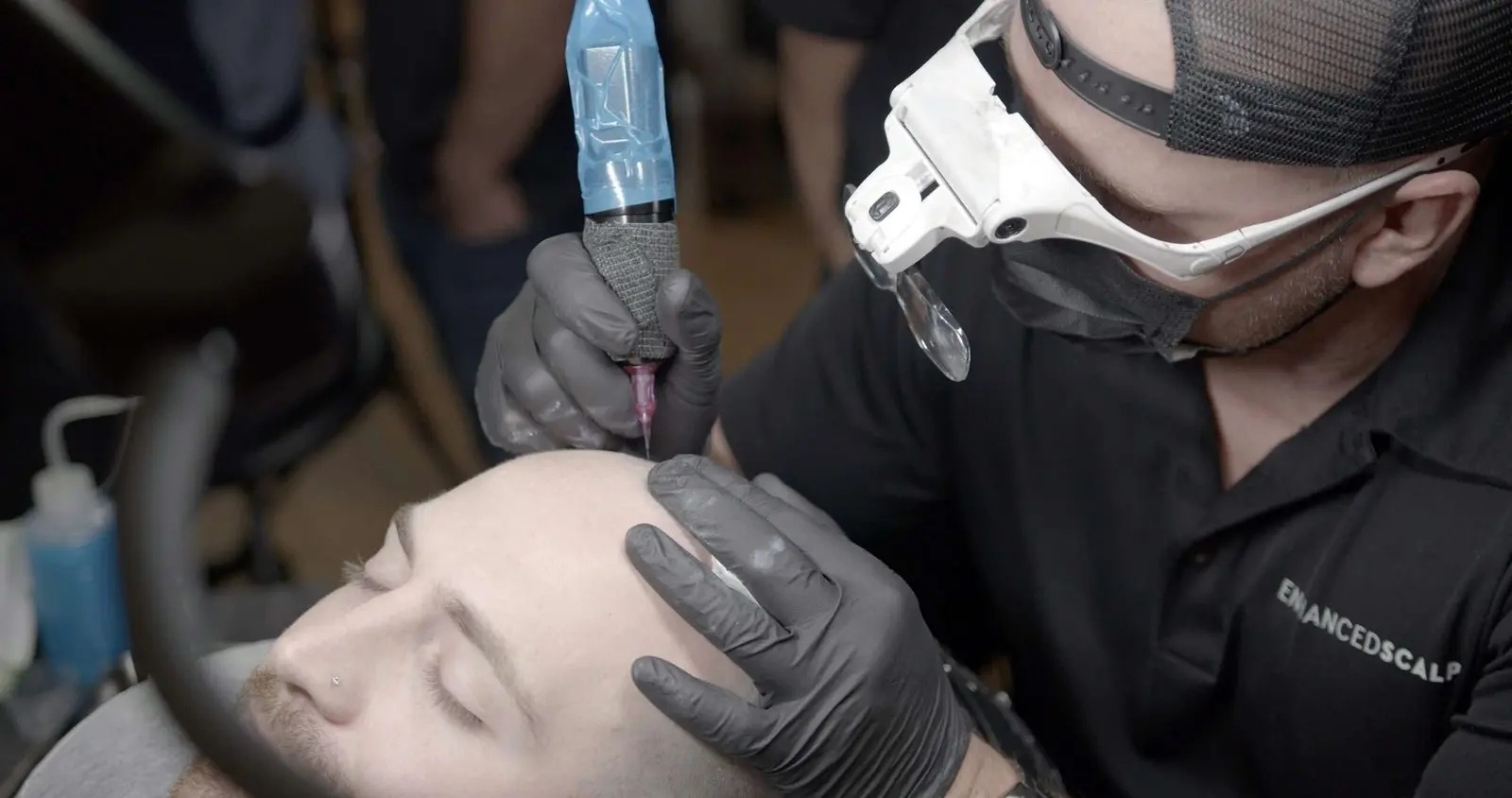
How corrective SMP works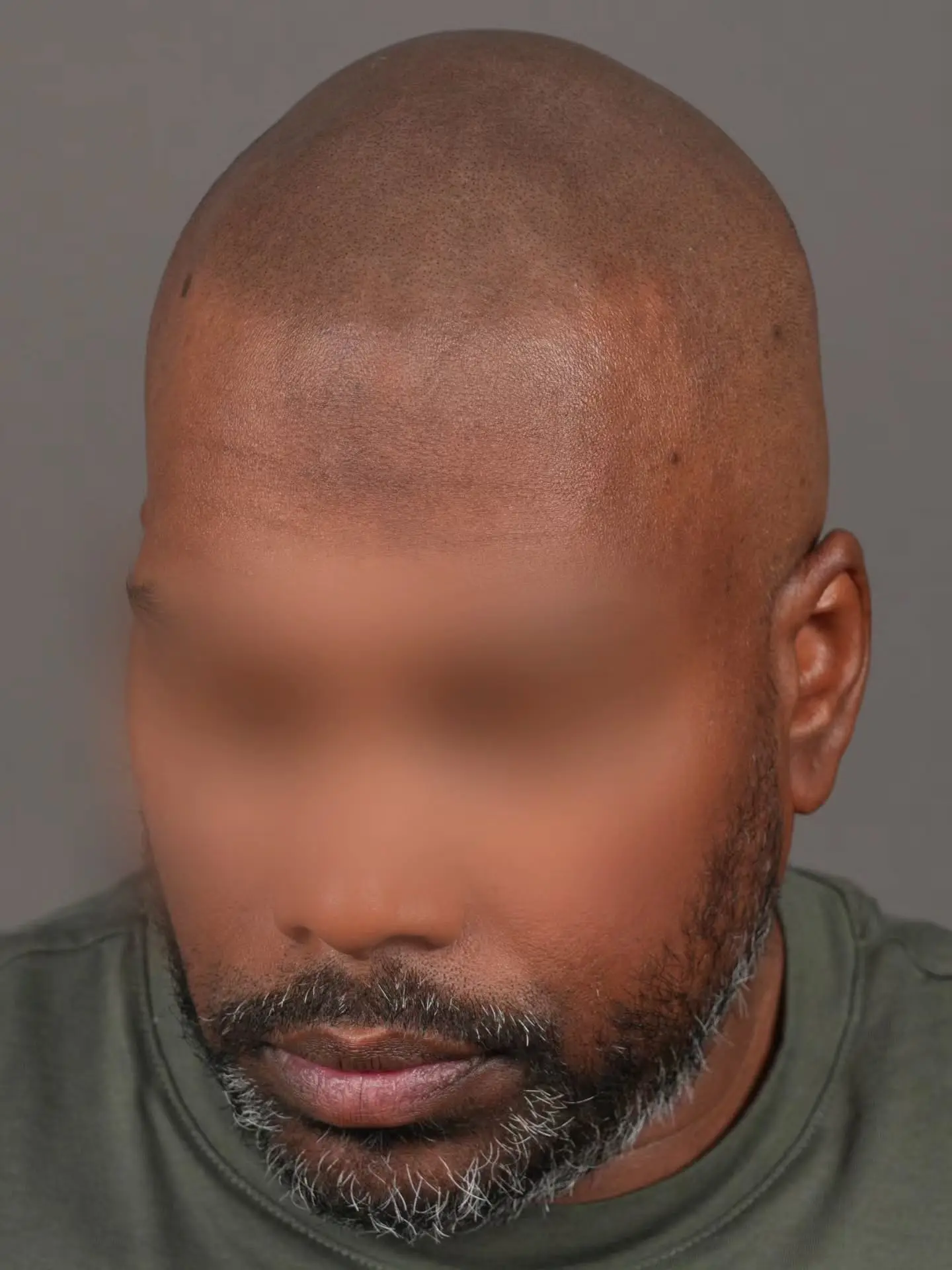
In James's words
Not every scalp responds the same way. And not every area that appears light during healing needs to be corrected immediately.
This client presented with particularly challenging skin. Throughout his treatment, pigment retention was inconsistent, requiring a measured and conservative approach.
Rather than forcing additional pigment into resistant tissue, I worked progressively, allowing the skin to dictate the treatment.
Following his final session, there were a few areas I suspected might require additional balancing. We discussed this openly and arranged a follow-up assessment once everything had sufficient time to heal.
But something interesting happened.
As the weeks passed, he contacted me to cancel the appointment.
His words:
"Yes exactly. I feel it's gotten darker and looks even and consistent."
He later shared these healed photographs taken at home, along with something far more meaningful:
"Love it. Between the SPF and baseball caps, no longer feel self conscious about it."
That's what this work is ultimately about.
SMP requires an understanding of skin behaviour, pigment retention, healing, and restraint. Knowing when to add more pigment is important. Knowing when not to is equally important.
A result should never be judged prematurely, and additional treatment should never be performed simply for the sake of doing more.
These are genuine client-submitted photographs taken in natural home lighting, approximately seven weeks after his final session.
No filters. No artificial enhancements. Just a healed result and an honest client experience.
Natural shaved-look scalp micropigmentation.
Posted on Instagram on October 18, 2026
Written by
James Christopher
8 more from this post
Each print opens full screen.