
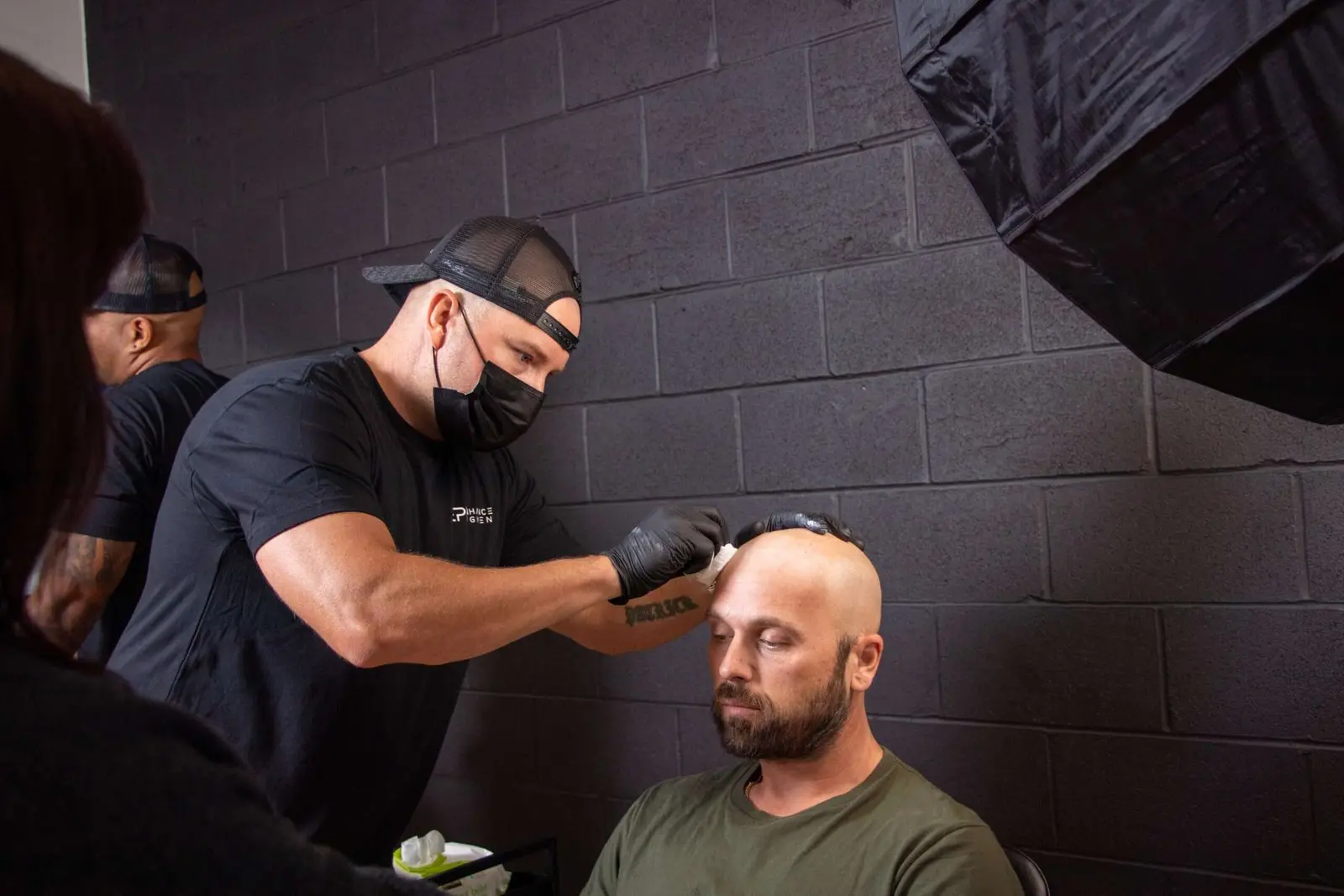
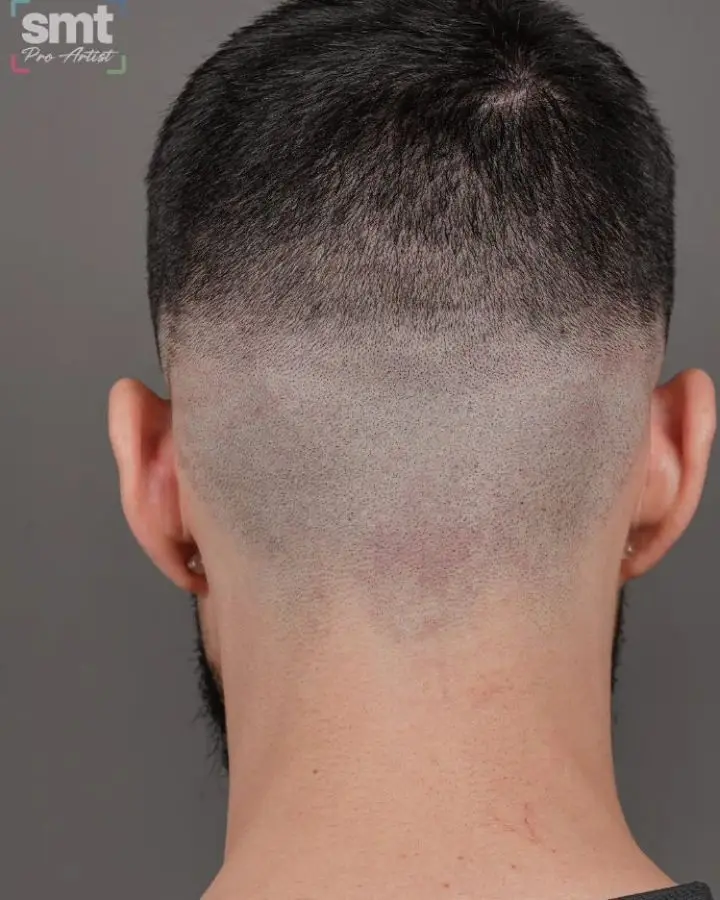
Scar camouflage for FUE and FUT scars
Pigment is placed into and around the scar to match the surrounding follicles, so a strip scar or a field of FUE dots stops drawing the eye when your hair is cut short.
What scar camouflage involves
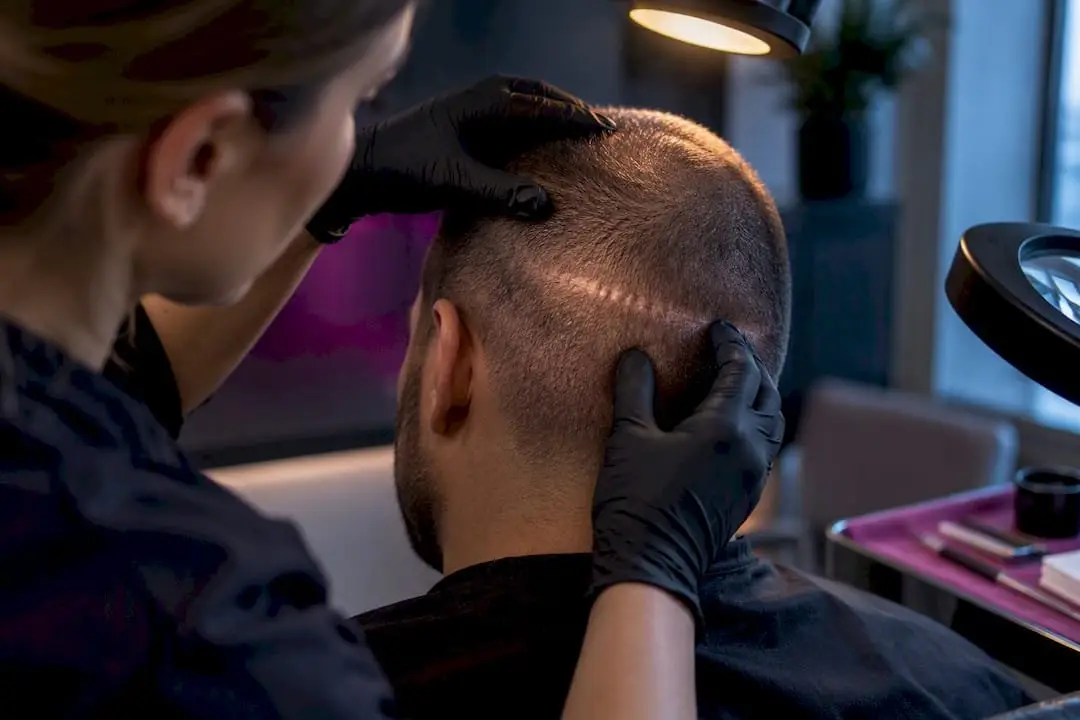
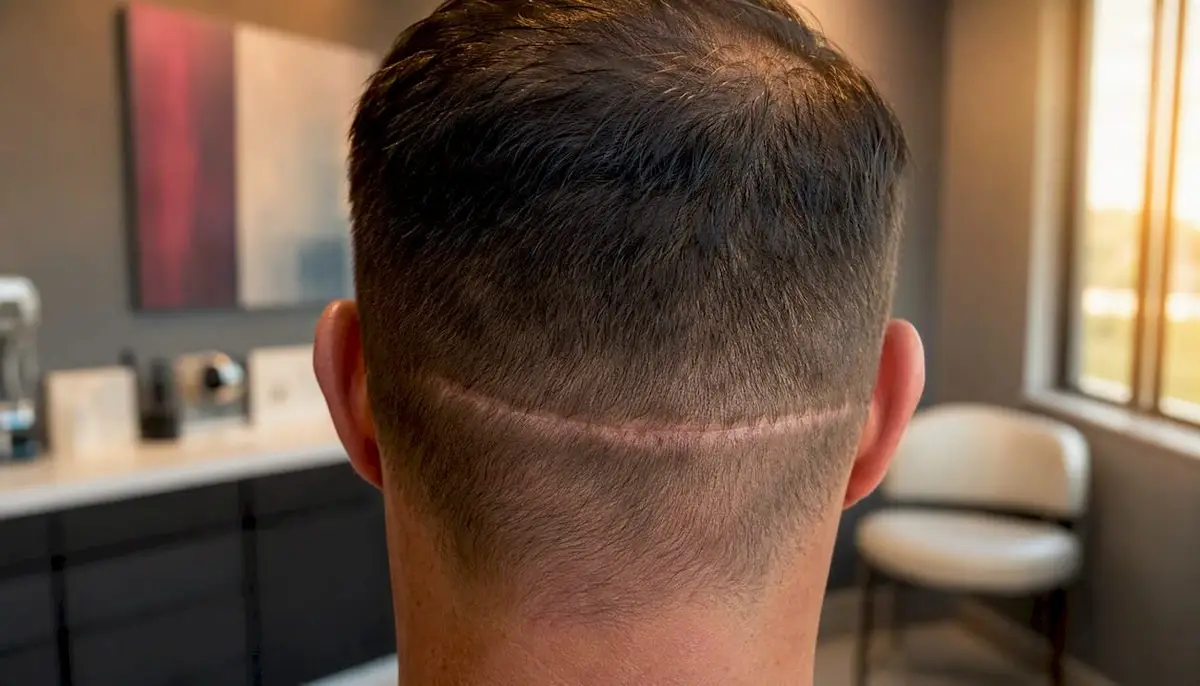
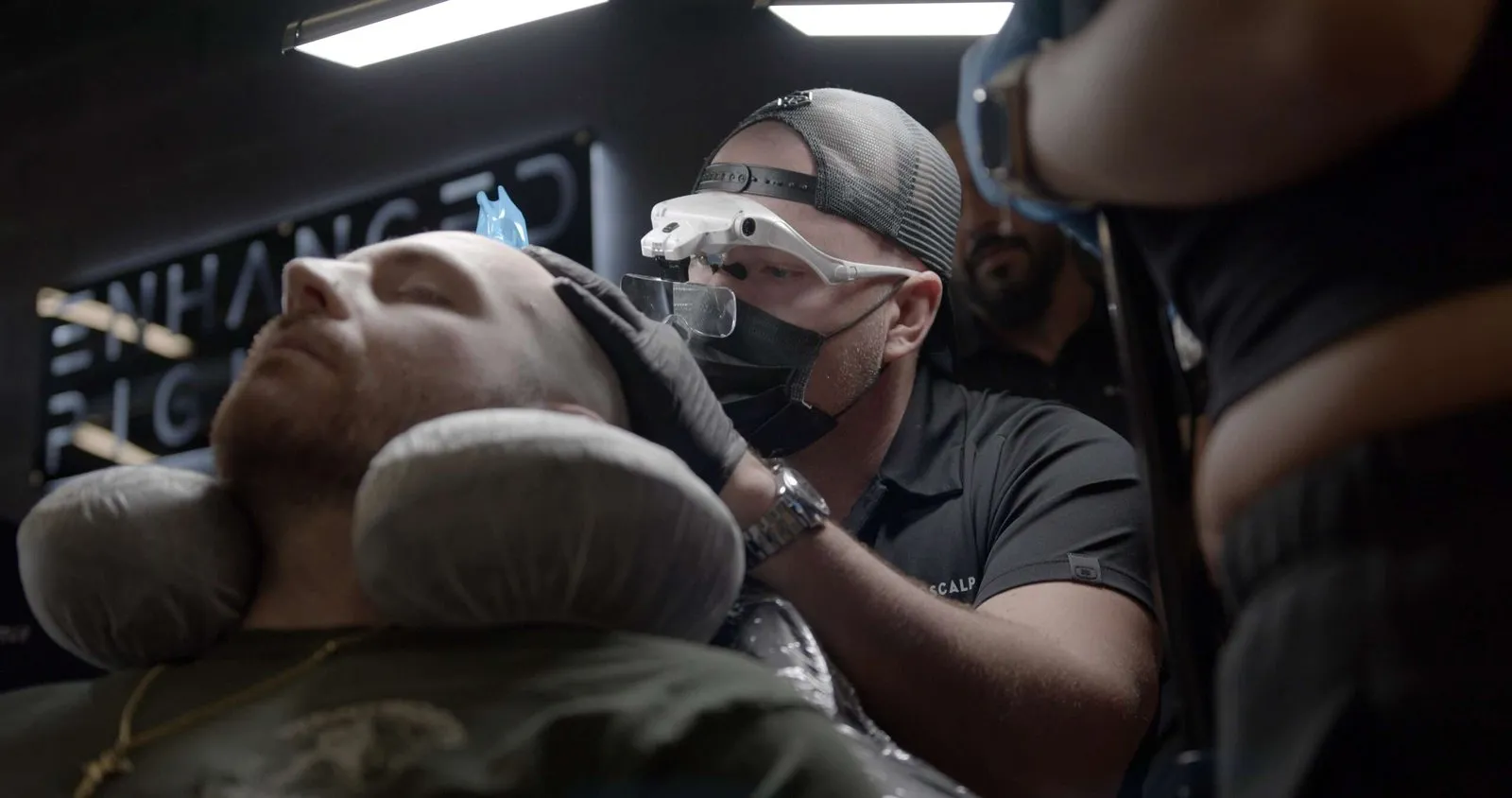
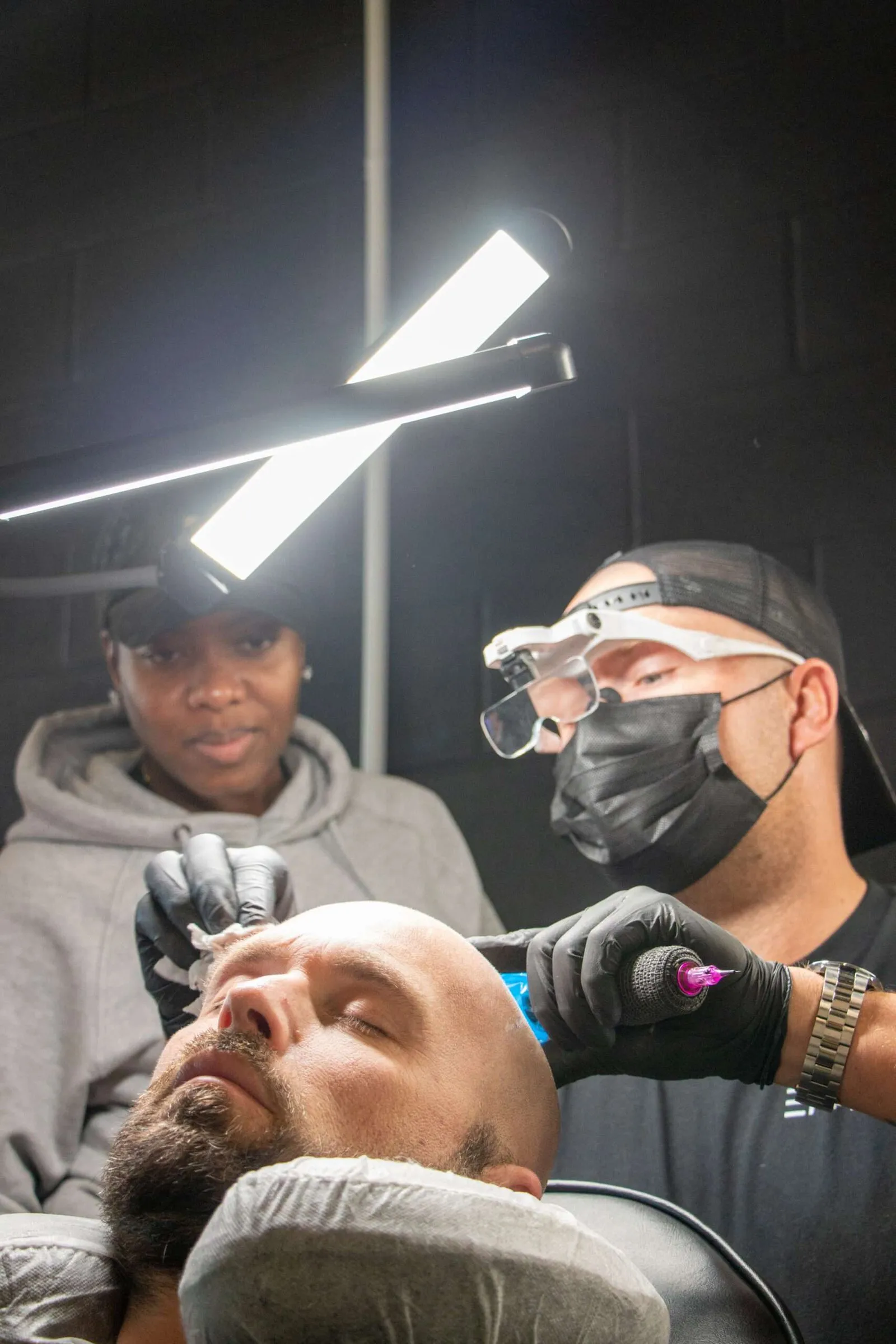
Hair transplants and injuries can leave scars that only show once the hair is cut short. A FUT strip leaves a thin line across the back of the head. FUE leaves tiny round scars, roughly the size of a pinhead, scattered through the donor area. Scalp micropigmentation can camouflage both by replicating follicles over and around the scar tissue.
James Christopher has performed hundreds of scar concealment treatments. Scar tissue takes pigment differently from healthy skin, so this work is planned conservatively and often needs an extra session to reach an even, healed result.
How it works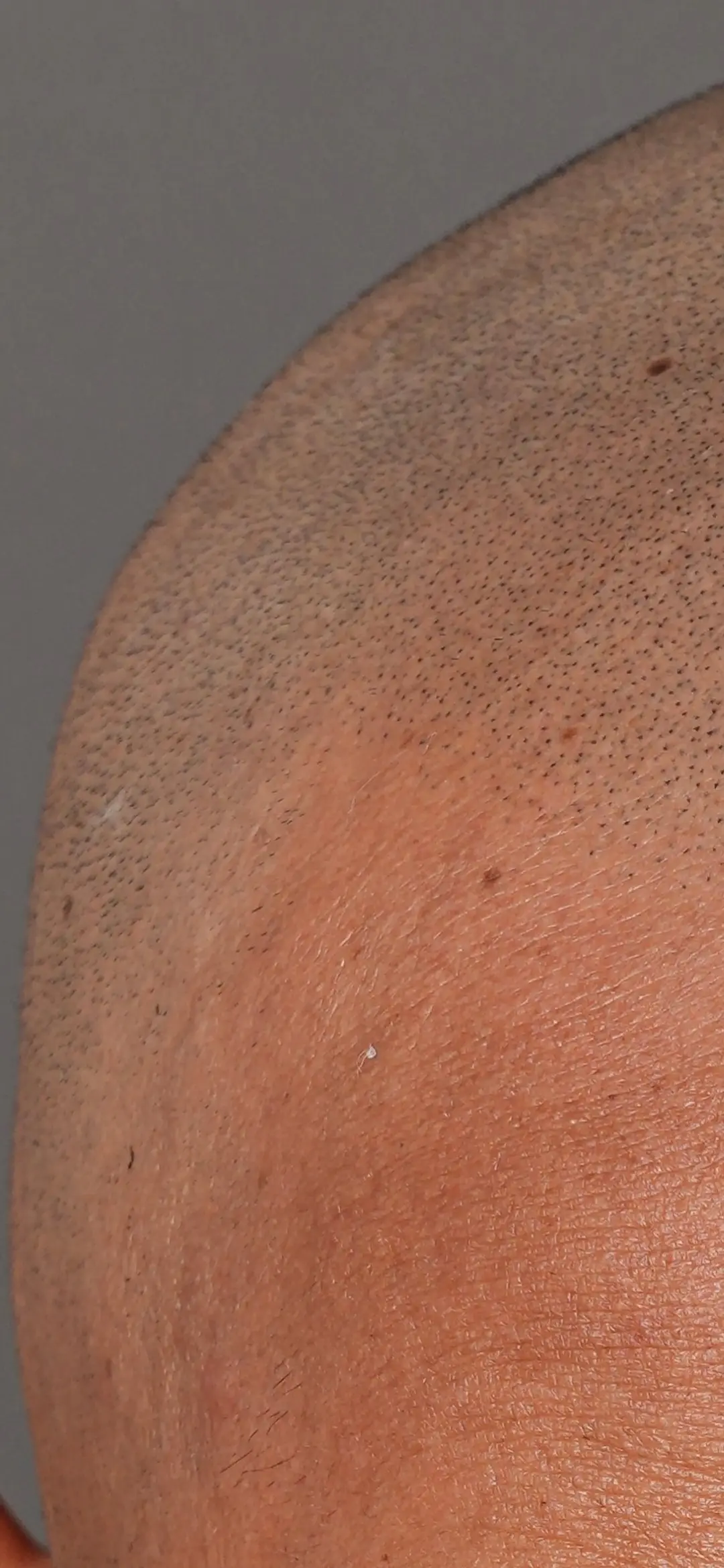
Is scar camouflage right for you
James goes through this with you when he assesses your photographs. It is usually a good fit if you have:
- FUT or strip-harvest scars
- FUE donor scarring and depleted donor areas
- Scars from injuries or previous surgery
- Clients who want to wear their hair short or shaved again
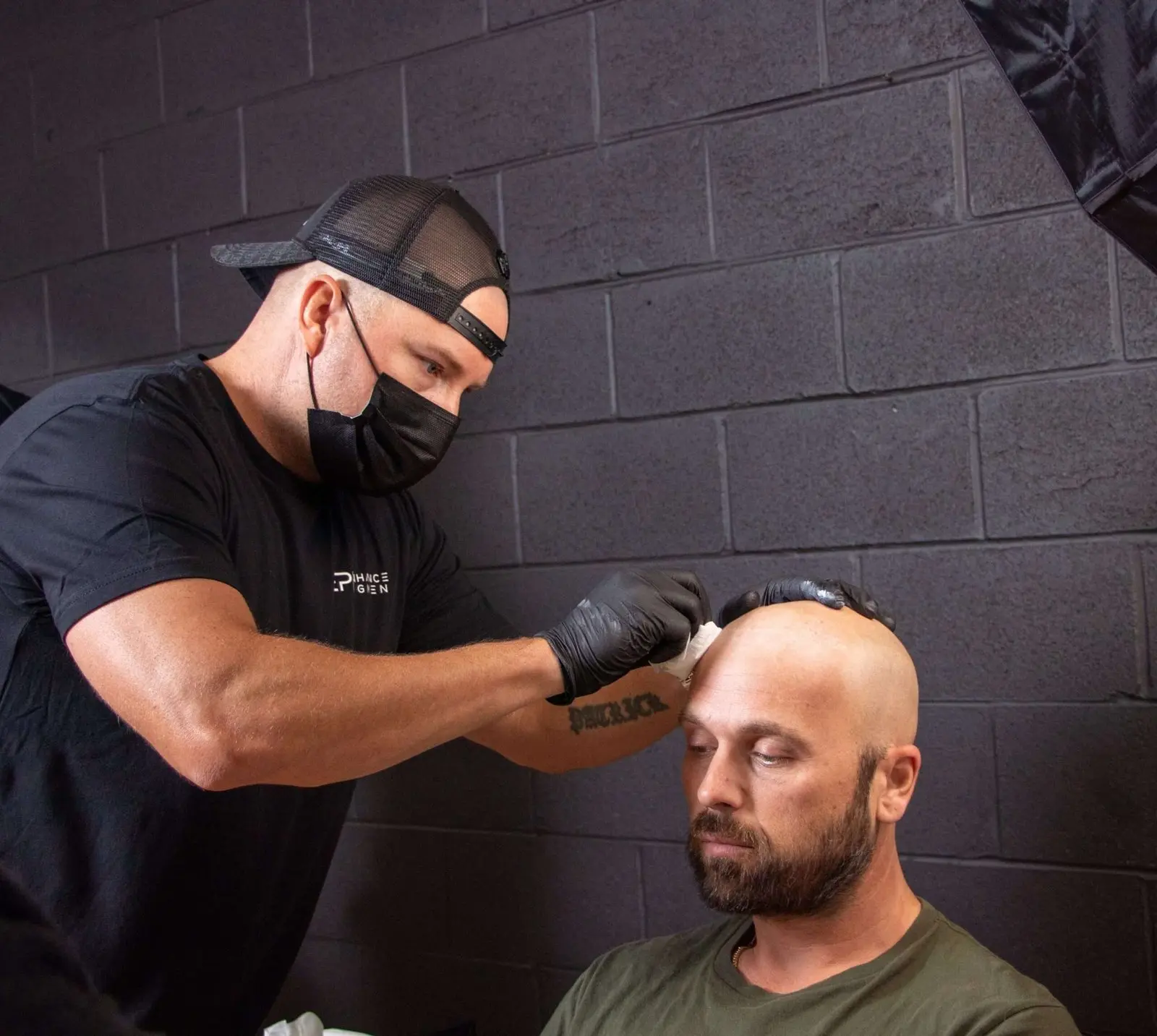
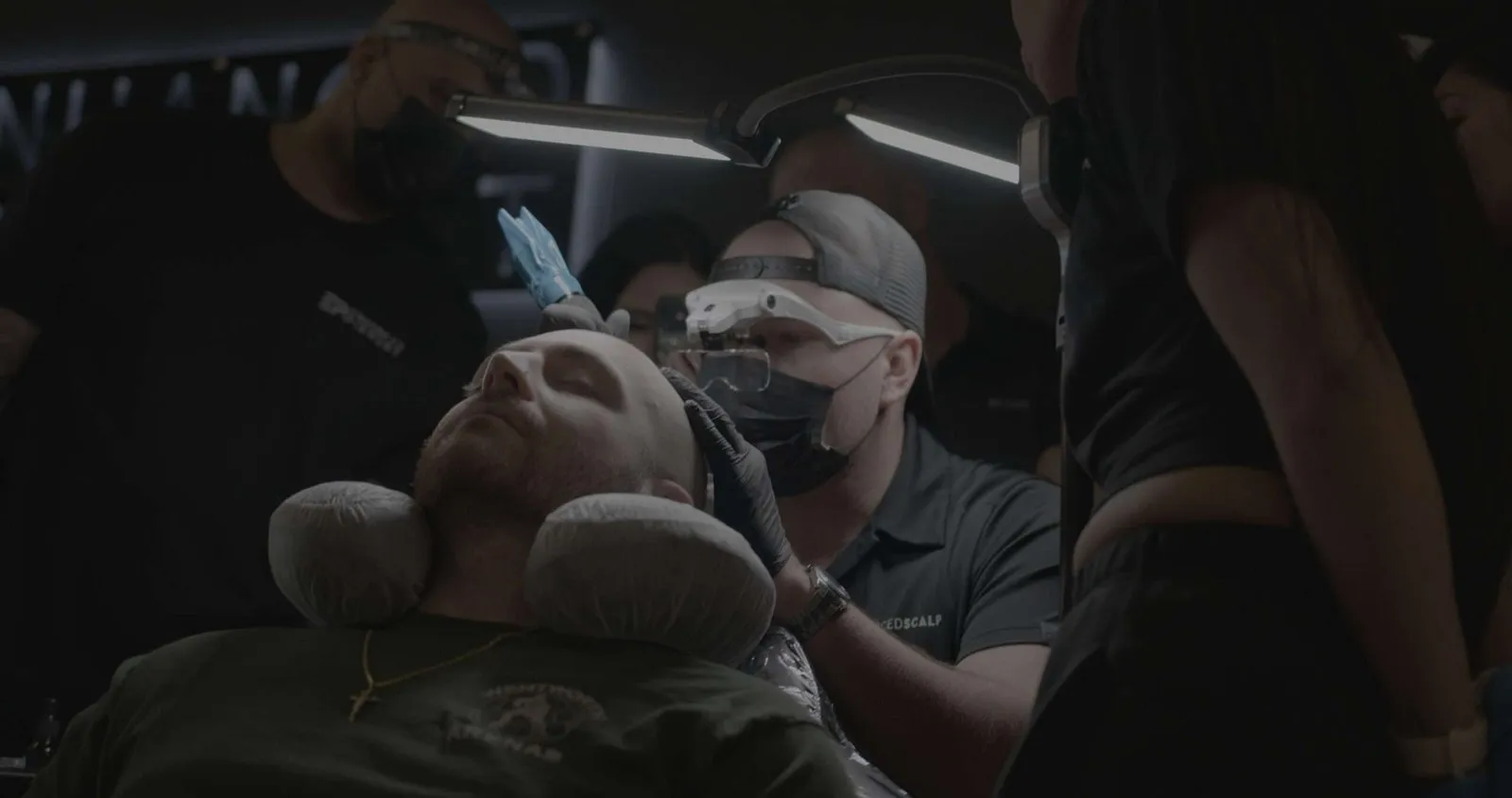
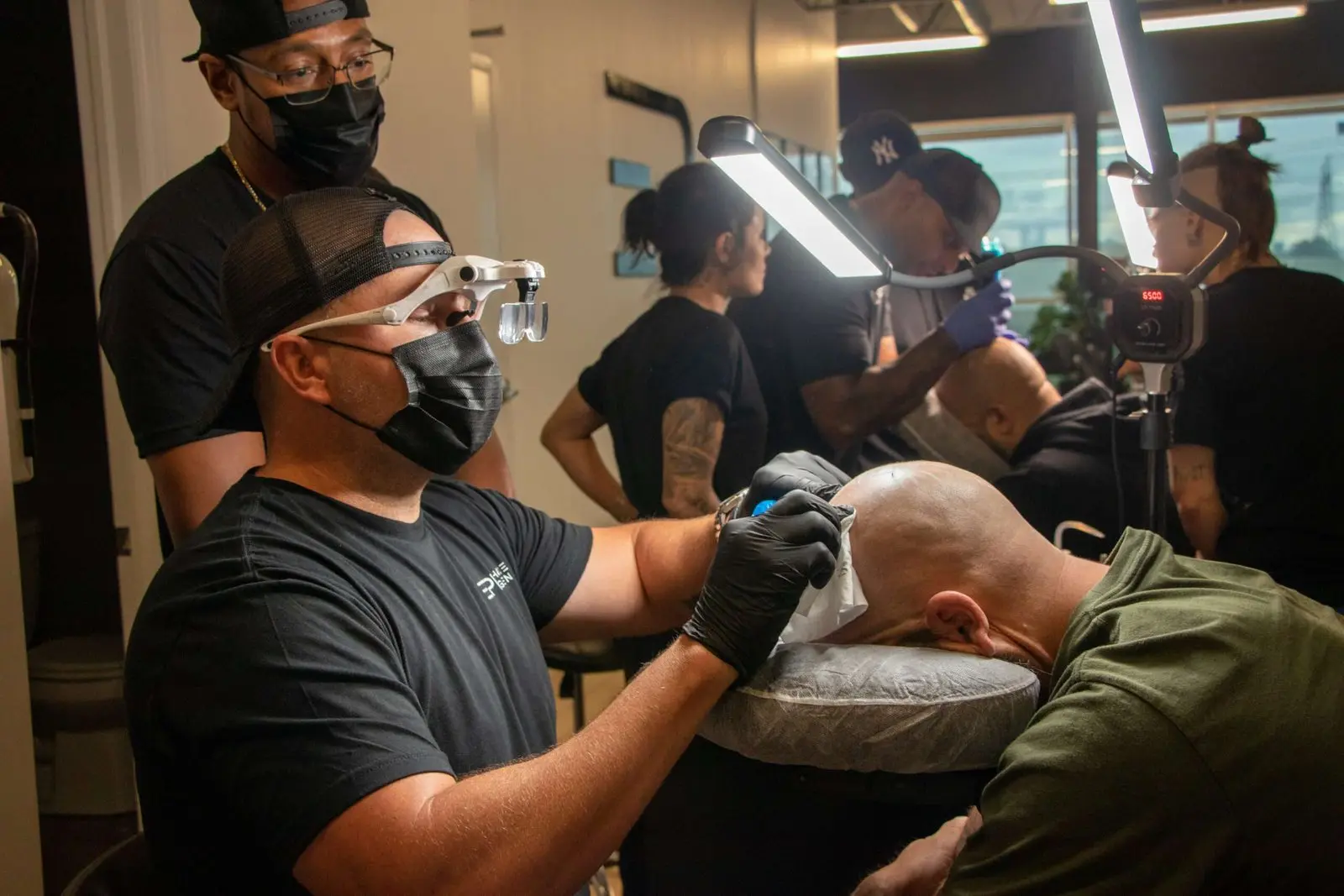
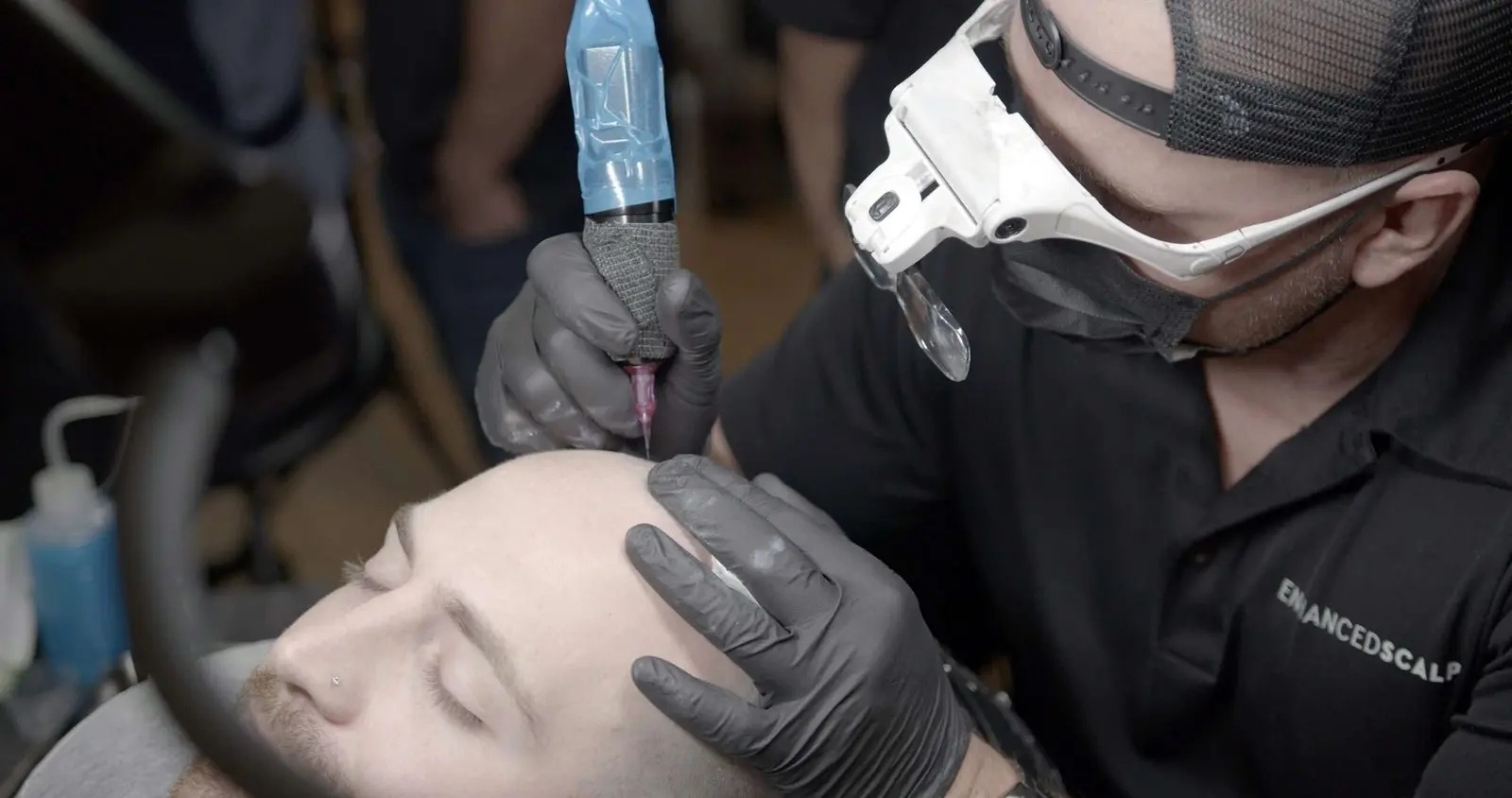
How scar camouflage works
Each session heals before the next one, so James plans it from how the pigment has settled.
Assess the scar
Size, shape, texture and location decide the approach and how the pigment will be blended into the surrounding hair.
Match the follicles
Impressions are matched to the size, tone and spacing of the hair around the scar.
Layer patiently
Scar tissue retains pigment unpredictably, so density is built over several healed sessions.
Blend into existing hair
The aim is an even transition into the surrounding hair.
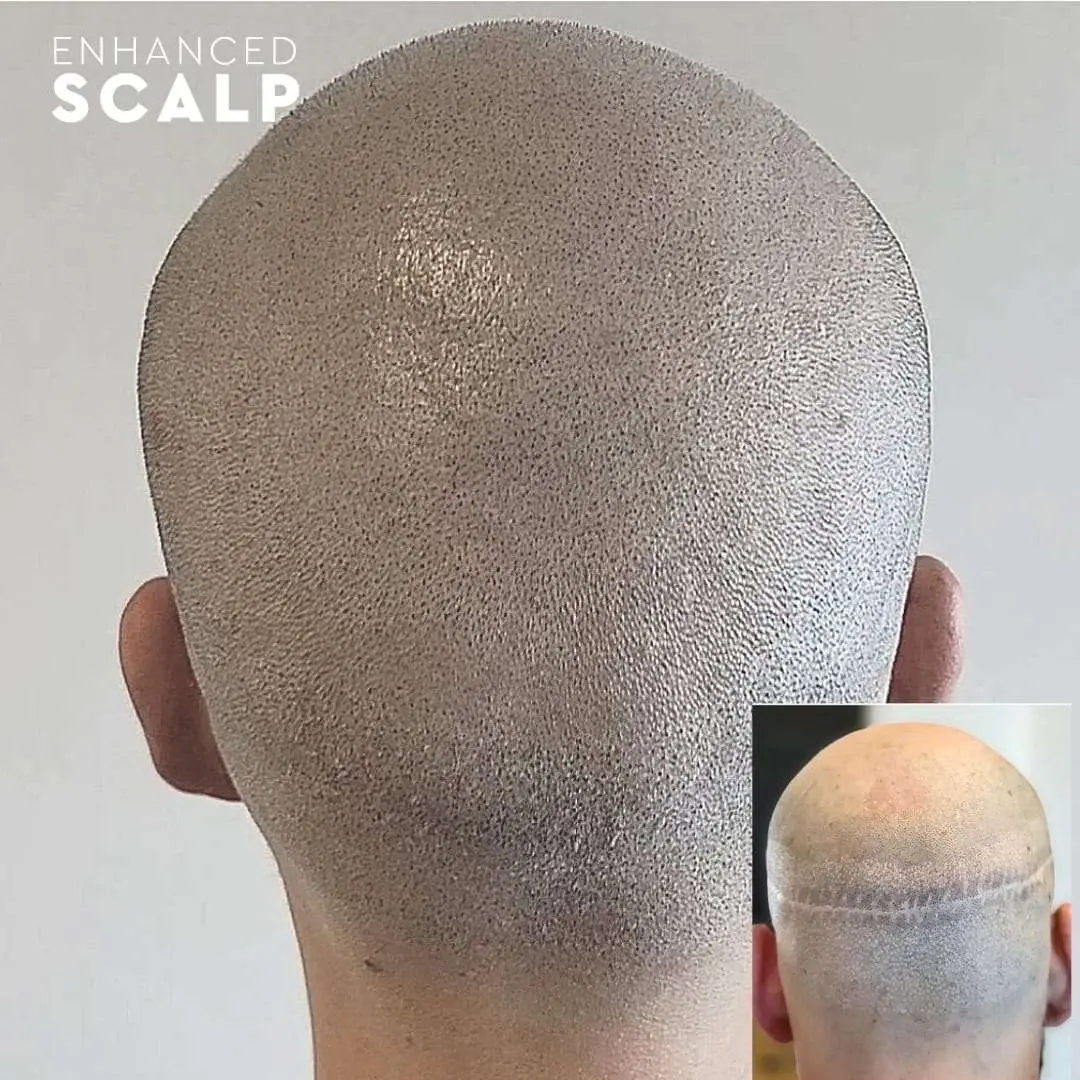
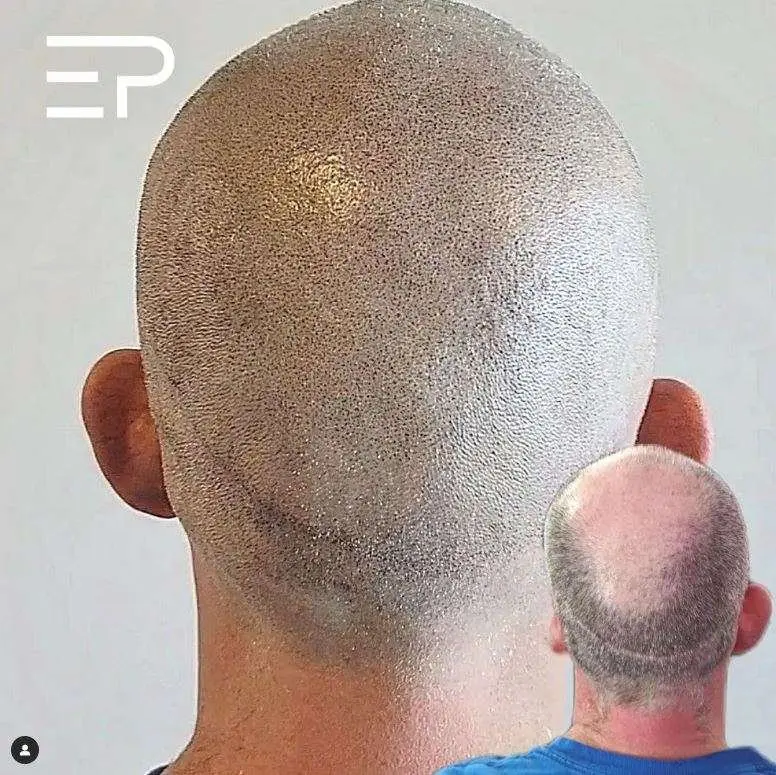
Scar camouflage before and after
The small photo in the corner shows the same client before treatment.
Recent scar camouflage work
From the portfolio, all shot under studio light with no filters. Tap a print to open the full post.
No. 392 · Session 2
No. 370 · Session 1
No. 275 · Session 2
No. 239 · Session 1
No. 211 · Session 1
No. 335 · from Philadelphia
No. 332
No. 316 · Session 2
No. 310 · Session 3
No. 306 · Session 2
No. 302
No. 291 · Session 1 · from Philadelphia
No. 242 · Session 2
No. 219 · Session 1
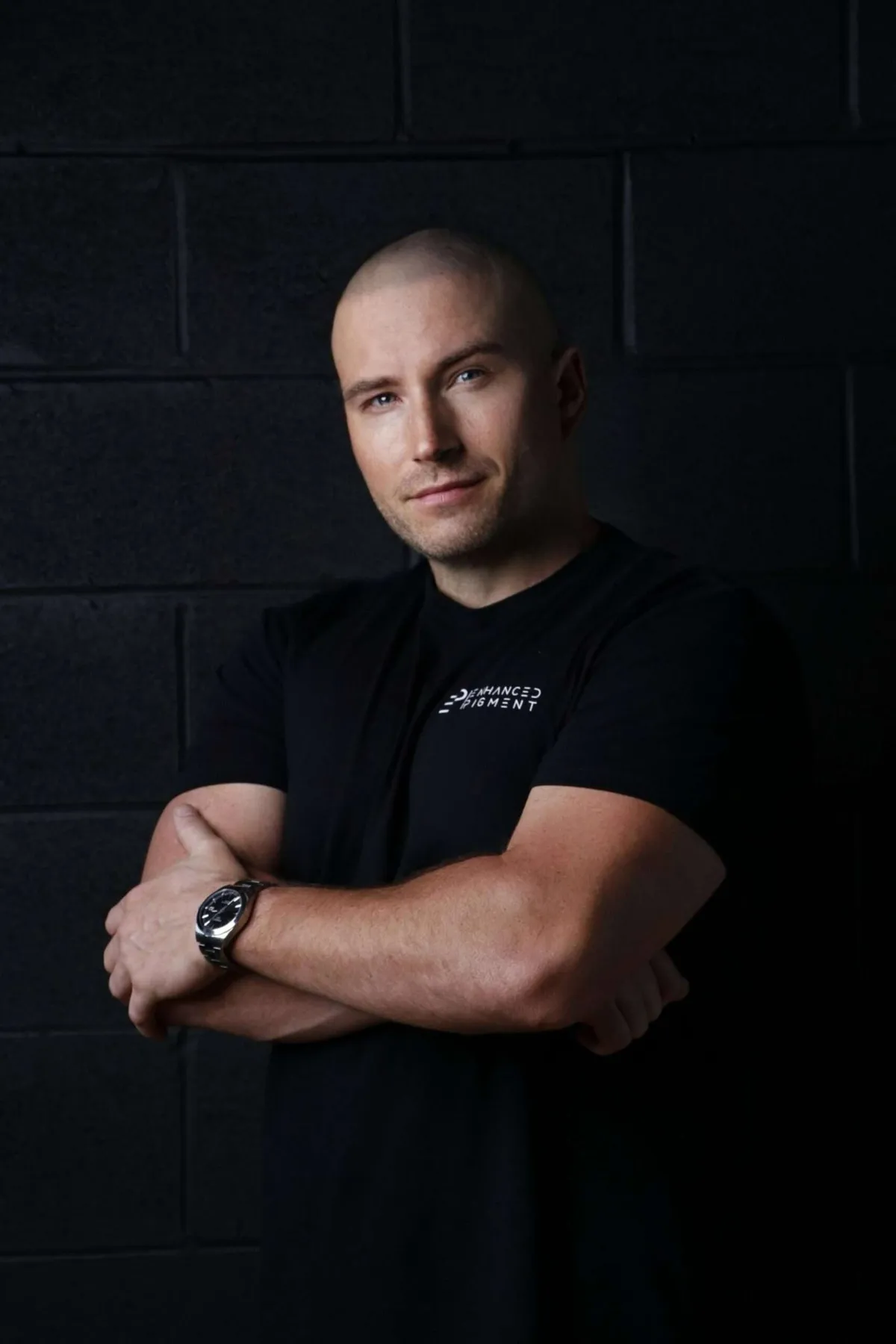
James Christopher on scar camouflage
“The goal is another five years of people seeing hair, not a tattoo.”
James Christopher
SMP artist and founder, Enhanced Scalp. Woodbridge, Ontario
What to know before scar work
- Raised or heavily textured scars, including keloids, may not be suitable
- Some scars improve without disappearing completely
- Scalp micropigmentation is cosmetic and not typically covered by insurance
- A consultation is needed to confirm suitability for your scar
In clients’ own words
5.0 from 186 reviews on Google
Scar camouflage questions
Can SMP cover a FUT strip scar?
In most cases SMP can make a FUT scar far less noticeable at short hair lengths by replicating follicles over the scar line and blending it into the surrounding hair. How completely it disappears depends on the width and texture of the scar.
What about FUE scars?
FUE leaves small round scars across the donor area. SMP fills in the visual gaps between them so the donor area looks evenly dense again when the hair is cut short.
Are all scars suitable?
No. Raised scars, keloids and other abnormal scarring may not be suitable. Some scars improve without fully disappearing. James will tell you at the consultation what is achievable for your scar.
Why can scar work need more sessions?
Scar tissue holds pigment differently from healthy skin. Building it up over several healed sessions gives a more even result than trying to finish it in one.
Is scar camouflage covered by insurance?
Scalp micropigmentation is a cosmetic procedure and is not typically covered by insurance. Financing is available through Credit Medical.
How does a consultation work?
Most clients begin by sending clear photographs. James reviews them himself and replies with whether SMP suits you, a plan, the price for your scope of work and what you can realistically expect. A phone consultation can be arranged, and in-person consultations at the Vaughan studio are $150, credited toward your treatment if you go ahead.
Plan your treatment in 3D
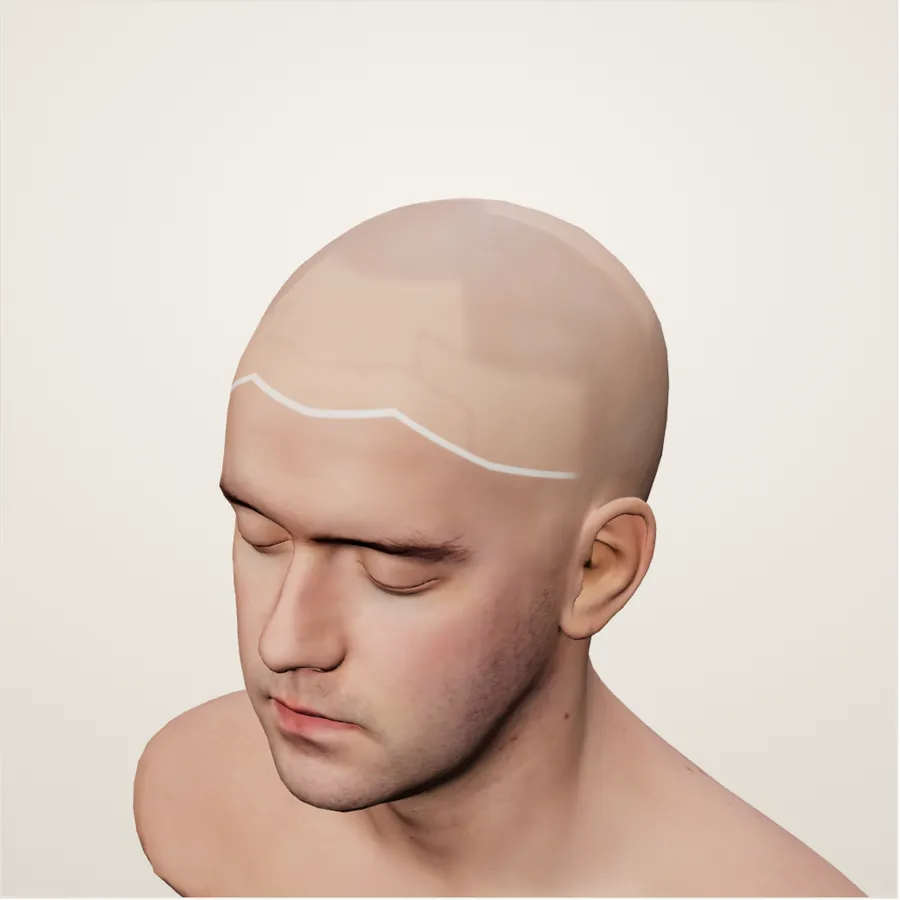
Choose your pattern, skin tone and hair colour, a hairline and a density, then step from the consultation to the healed result. Drag the divider to compare before and after.
Loading the 3D head…
3D head scan: Lee Perry-Smith, Infinite Realities, CC BY 3.0. An illustration of the process, not a result. Drag, or use the arrow keys, to turn it.
1. Your pattern
Fine-tune the areas
2. Skin and hair
3. Hairline
4. Density
5. What happens
Other scalp micropigmentation treatments
Eight treatments. One artist.
Begin with a photo assessment
Send James clear photographs of your scalp. He reviews them himself and replies with an explanation of the treatment, the price for your scope of work and what you can realistically expect. If you would like to talk it through, he can arrange a phone consultation, or an in-person consultation for $150, credited toward your treatment.
Or call or text the studio, 647-896-9706