
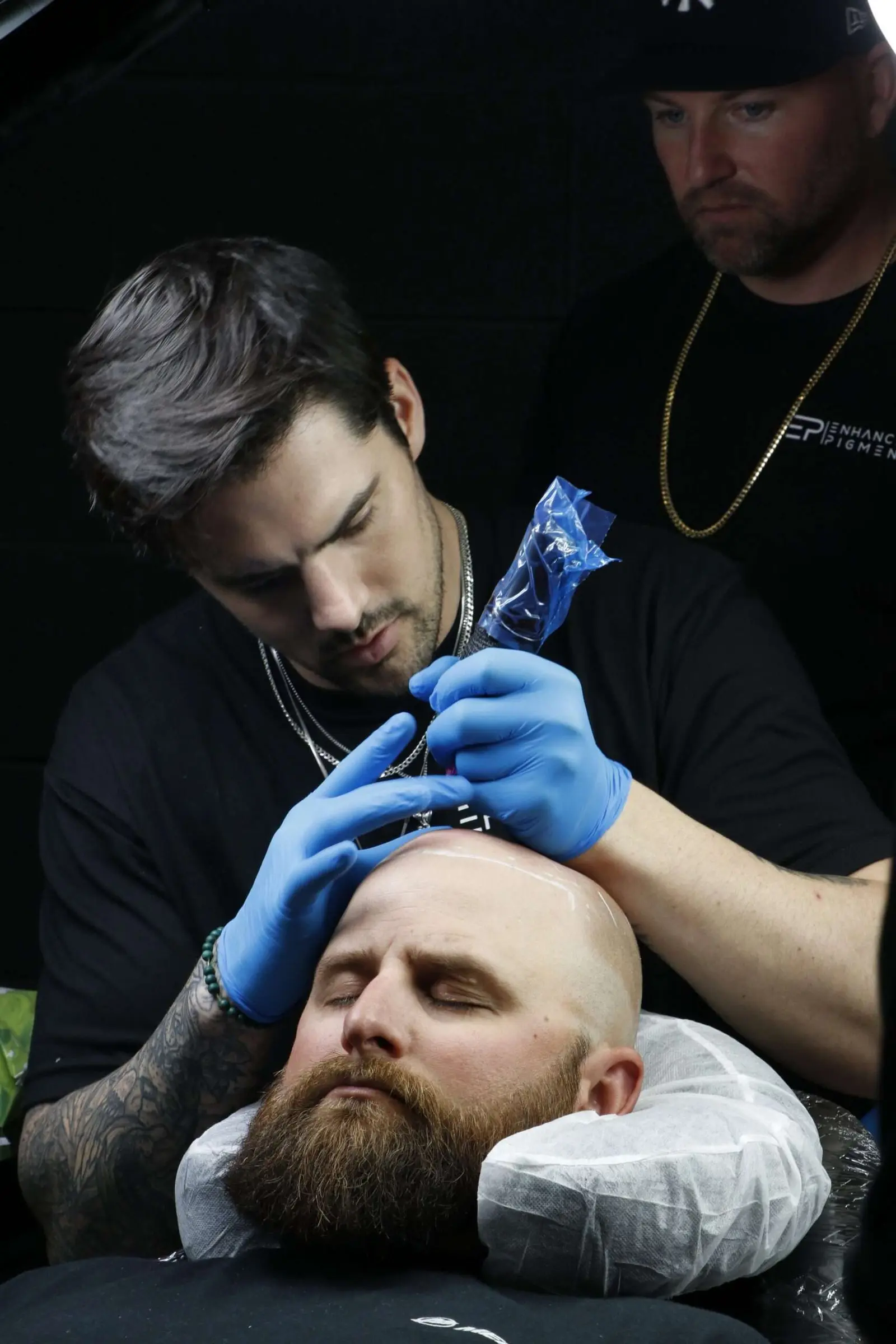
What scalp micropigmentation can and cannot do
SMP places pigment in the scalp to recreate the look of hair follicles. Done well, it is very convincing. It also has limits, and understanding them before you book is part of a good result.
What SMP can do
Recreate the look of a closely shaved head
Thousands of fine impressions replicate the follicles of a short buzz cut, including a hairline drawn to suit your face and age.
Add the appearance of density behind longer hair
Pigment between the hairs reduces how much bare scalp shows through thinning areas, for men and women who keep their hair longer.
Make scars far less noticeable
Over FUE dots and FUT strip scars, impressions blended into the surrounding hair can make a scar much harder to see at short lengths.
Correct or soften earlier work
Work that has spread, turned blue or looks too dense can often be improved with careful colour correction and blending, sometimes without laser.
What it cannot do
Grow hair
SMP is pigment in the skin. It does not regrow hair or stop hair loss. Medical treatment for hair loss can continue alongside it.
Recreate length on a bald scalp
It gives the look of short, cropped hair. It cannot match long hair where there is none.
Erase scar texture
Pigment changes the colour of a scar and leaves its shape as it is. Raised scars, keloids and abnormal scarring may not be suitable, and some scars improve without disappearing.
Stay exactly the same forever
The pigment softens slowly over the years, faster with sun exposure. A light refresh restores definition when you can see the change.
What shapes your result
The same technique looks different on different people. These are the things James weighs when he looks at your photographs.
Your skin
Skin type, oiliness and how you heal affect how crisp each impression stays. Some skin conditions need a doctor before any pigment work.
Contrast
SMP reads most naturally where there is contrast between your hair colour and your skin. Pigment shade and density are matched to you.
Sun
Ultraviolet light is the factor you control most. Daily sunscreen on a shaved scalp does more for longevity than any product.
Your hair loss
If hair loss is still progressing, the design has to allow for it. A conservative hairline ages better and can be adjusted later.
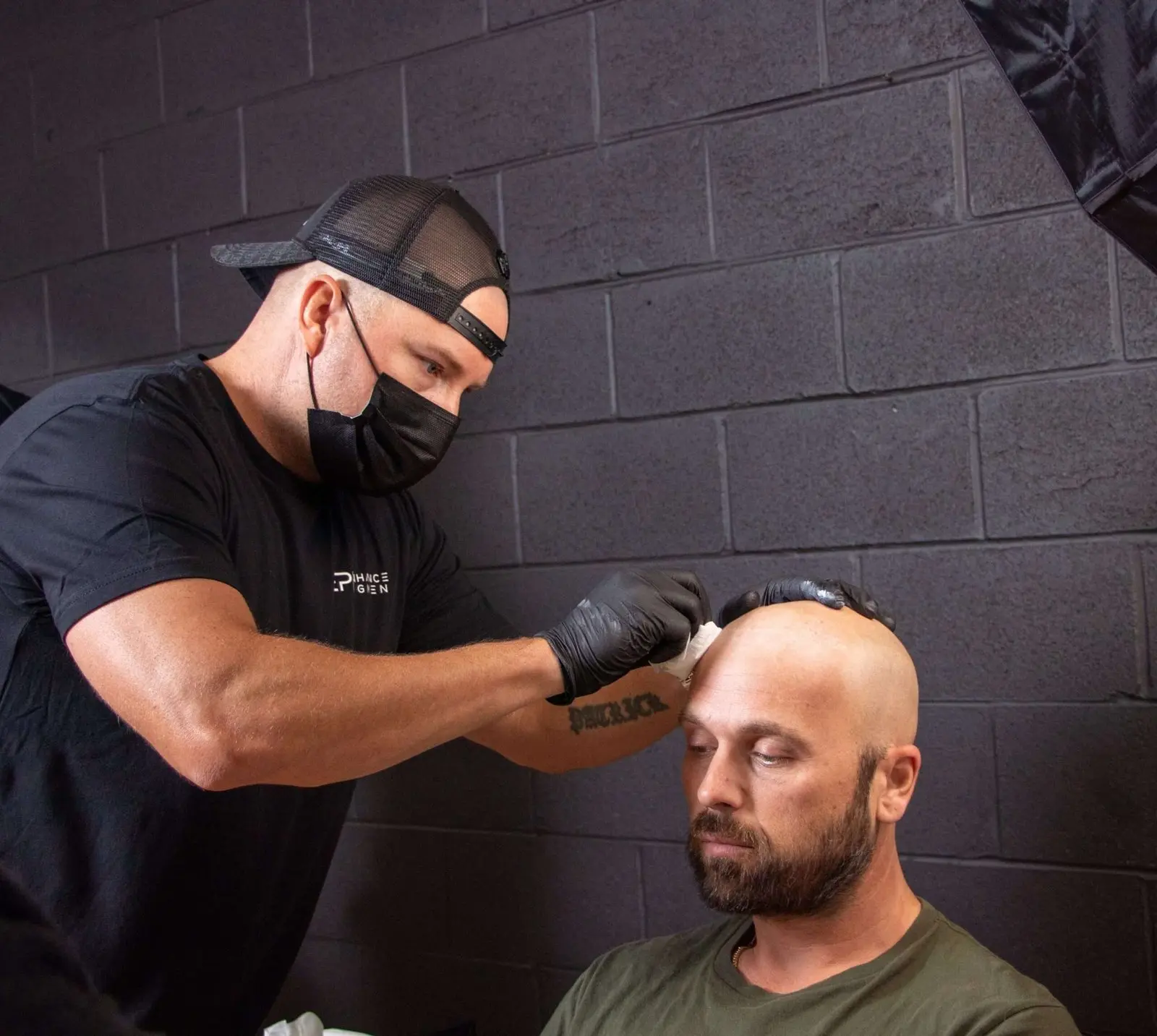
How to judge a result
Fresh SMP and healed SMP look different. The fairest way to judge any practitioner’s work, including this studio’s, is from healed photographs.
Healed work
Photographs taken weeks after the final session, once the pigment has settled.
The same angle and light
Before and after in the same frame, so the change is the treatment and nothing else.
Close up and at a distance
Impressions should hold up to a close look as well as across a room.
Unedited
No filters or retouching on the scalp. Every photograph on this site is published as it was taken.
A close-up of healed SMP on sun-damaged, uneven skin. Move across the photograph to look closer.
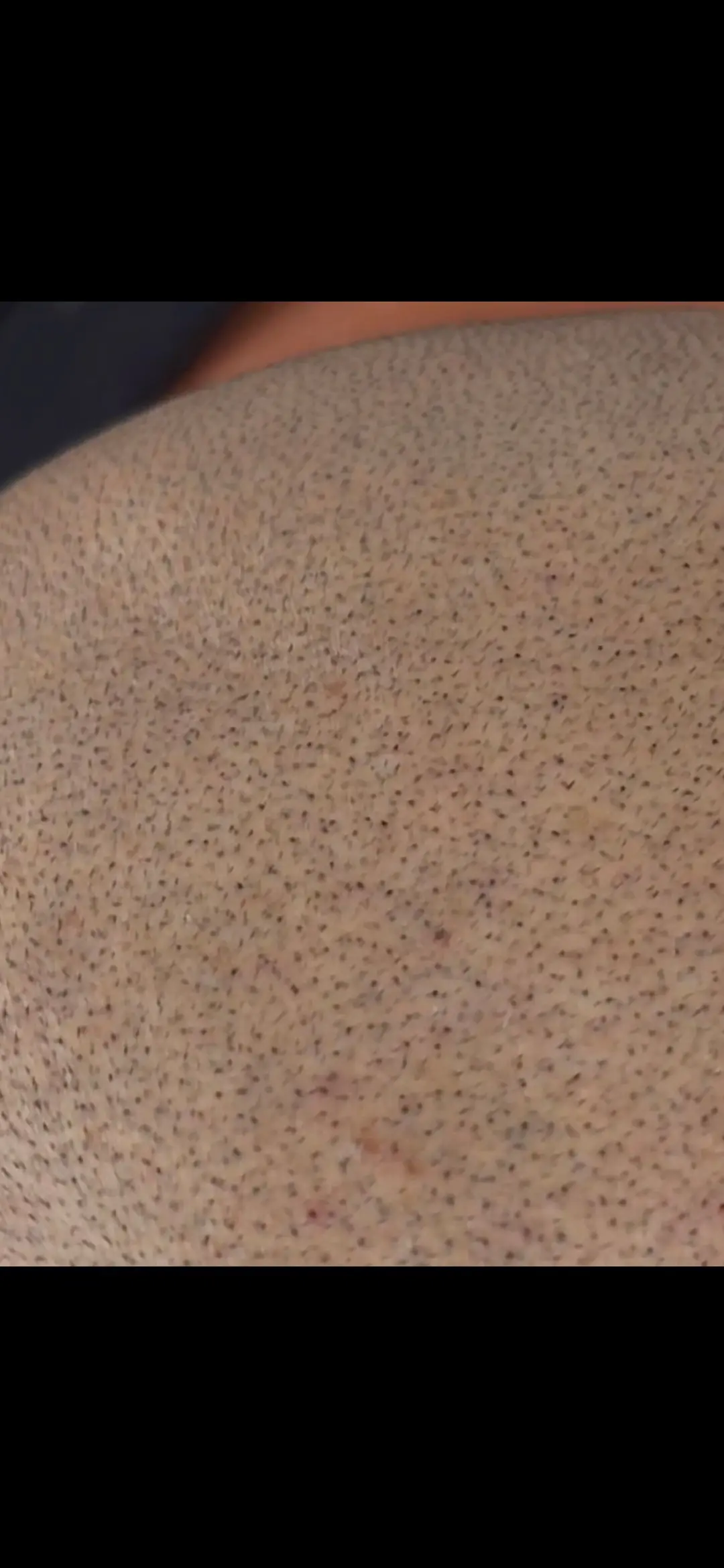
A proper touch up is an exercise in restraint.
Healing and the years after
Expect some redness and tiny scabs in the first days after each session. Healing takes weeks, which is why the sessions are spaced apart and why the result is judged only after the last one has settled.
Over the years the pigment softens slowly. Sun exposure speeds this up; daily sunscreen on a shaved scalp slows it down. Clinics commonly quote three to six years before a refresh; the right time is when you can see the change.
Common questions
More detail in the studio’s journal:
Does scalp micropigmentation grow hair?
No. SMP places pigment in the upper layer of the scalp to recreate the look of follicles. It does not regrow hair or stop hair loss, and it can be combined with medical treatment.
Does SMP look real up close?
Done well and healed, it should not read as SMP. Each impression is matched to the size, tone and spacing of your own follicles and built over three sessions. Judge any result from healed photographs, close up and in consistent light.
Does SMP fade?
Yes, slowly. The pigment softens over the years, faster with sun exposure. Clinics commonly quote three to six years before a refresh, depending on skin, sun habits and the original technique.
Can SMP cover every scar?
No. SMP can make many FUE and FUT scars far less noticeable at short hair lengths, but it changes colour, not texture. Raised scars and keloids may not be suitable.
Can I keep my hair long with SMP?
Yes, where there is hair to keep. Density SMP adds pigment between longer hairs so less scalp shows through. On a fully bald scalp SMP gives the look of short, cropped hair only.
How a treatment begins
People usually find James through his work, research for a while and then get in touch. The process that follows is simple and unhurried.
Send clear photographs
Photograph your hairline, top, crown, sides and back in good light. The request form guides each angle.
James assesses them himself
He replies personally with what he would recommend, how the treatment works for your situation, the price for your scope of work and what you can realistically expect.
Talk it through if you wish
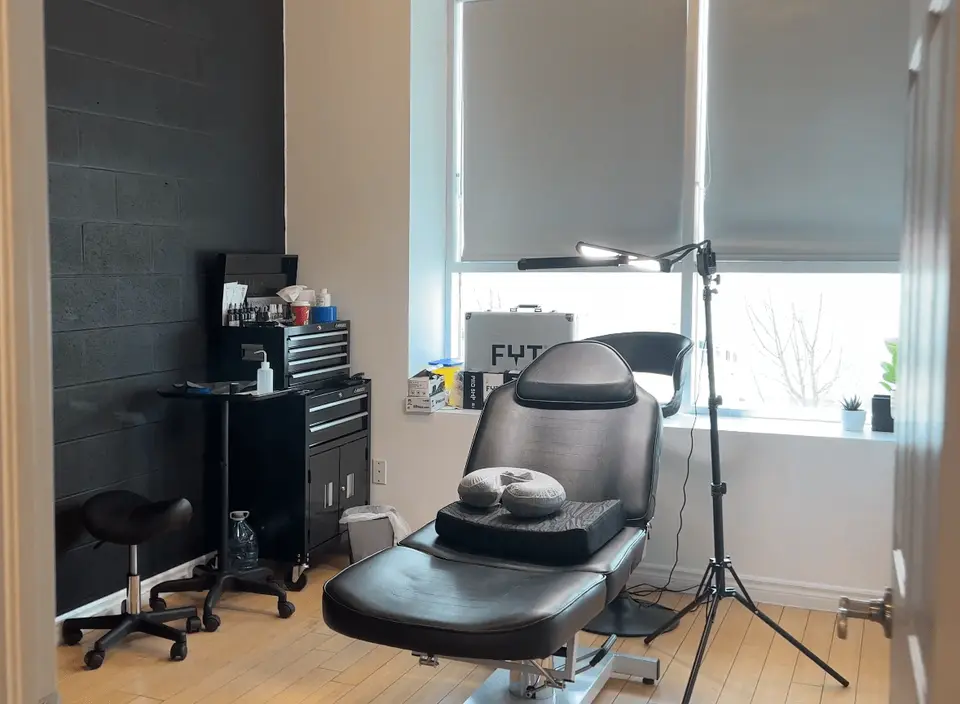
A phone consultation can be arranged. In-person consultations at the Vaughan studio are $150, credited toward your treatment if you go ahead.
Reserve your dates
When you are ready, you choose your treatment dates and a deposit secures them. Preparation instructions follow before your first session.
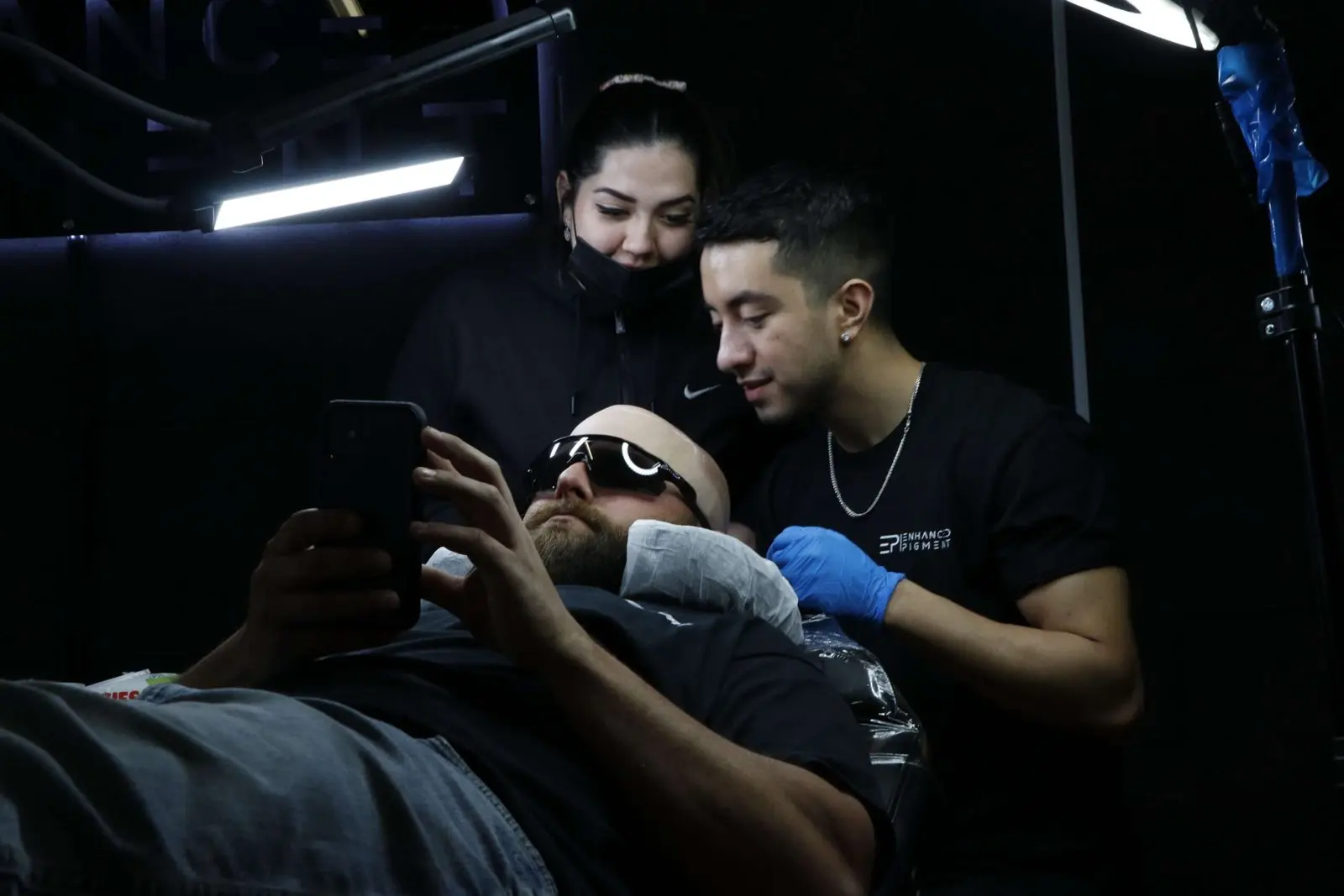
It begins with your photographs
Begin with a photo assessment
Send James clear photographs of your scalp. He reviews them himself and replies with an explanation of the treatment, the price for your scope of work and what you can realistically expect. If you would like to talk it through, he can arrange a phone consultation, or an in-person consultation for $150, credited toward your treatment.
Or call or text the studio, 647-896-9706