Case No. 242
Session 2 OF 3 — DENSITY BUILD of FUE camouflage
Correction, scar camouflage and transplant repair on the scalp chart
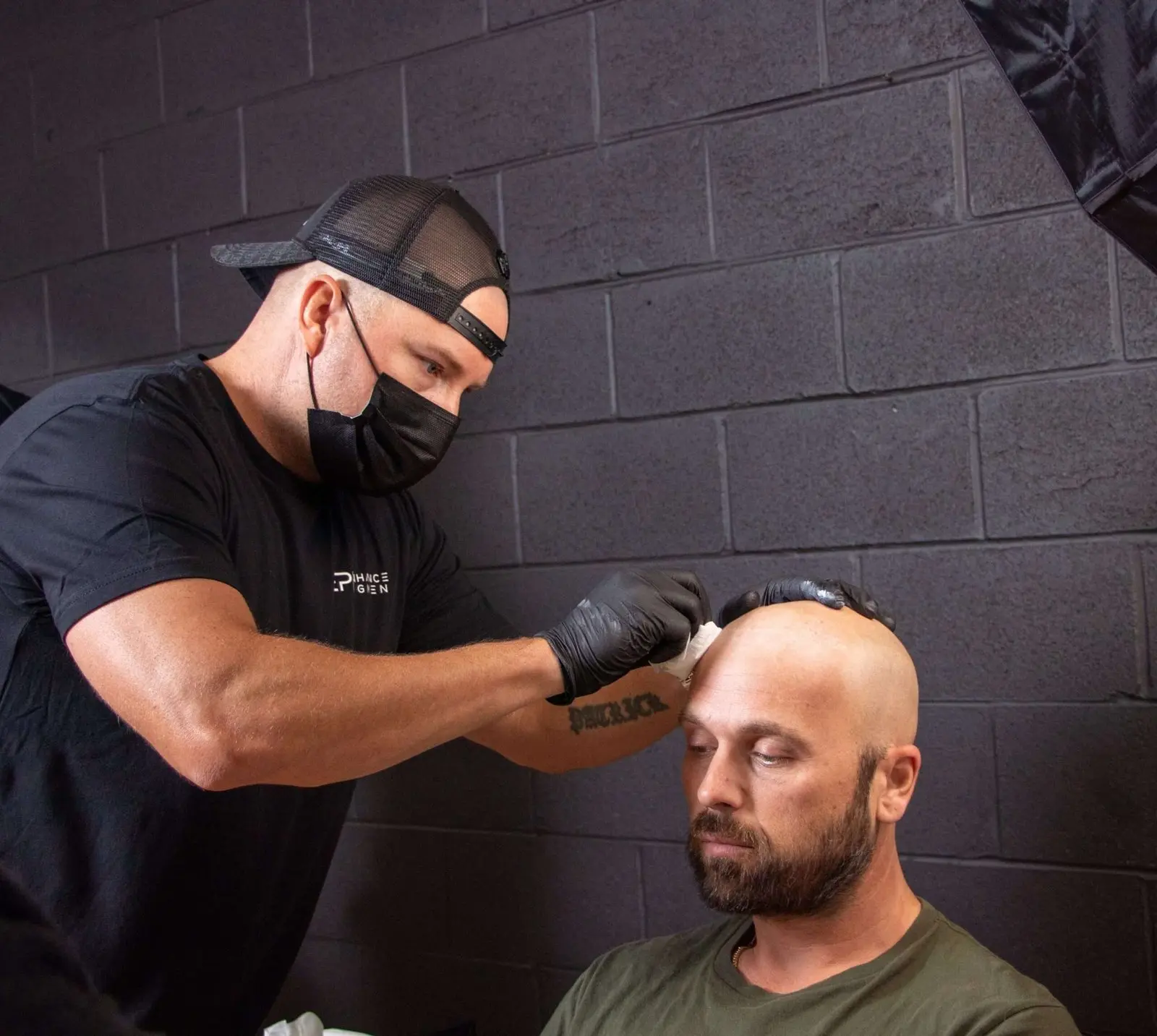
At the consultation, James sketches the area he will treat on a chart like this one.
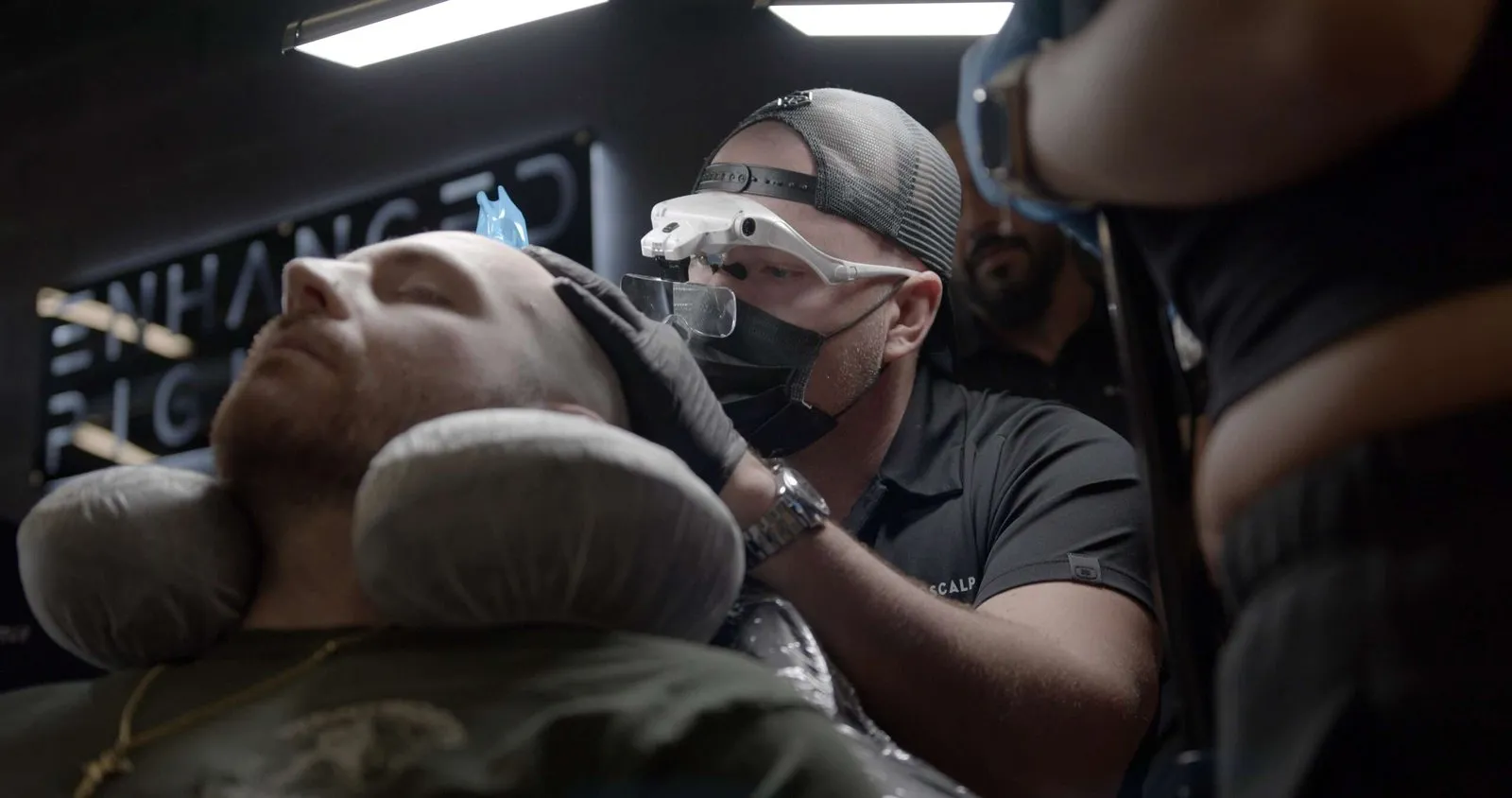
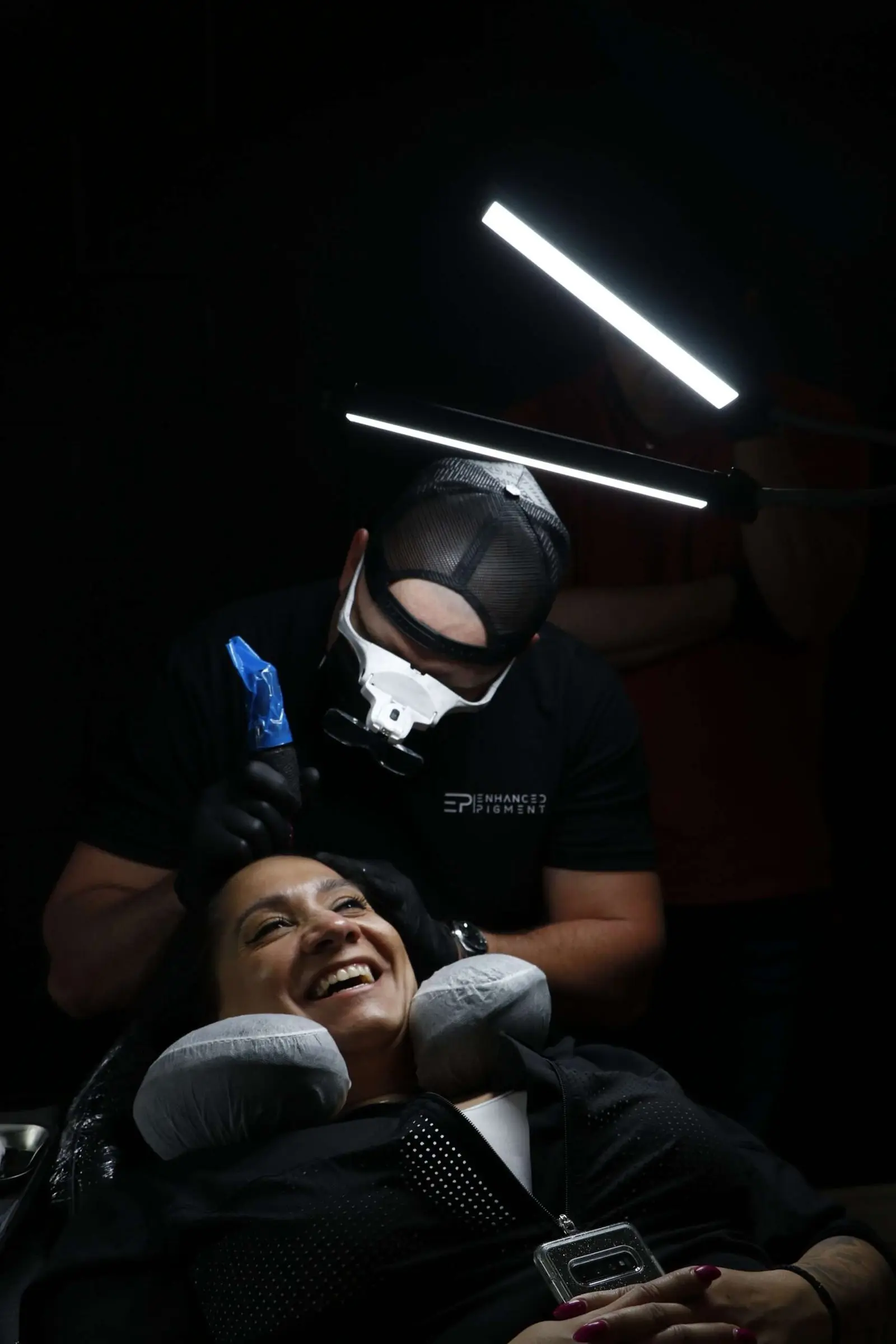
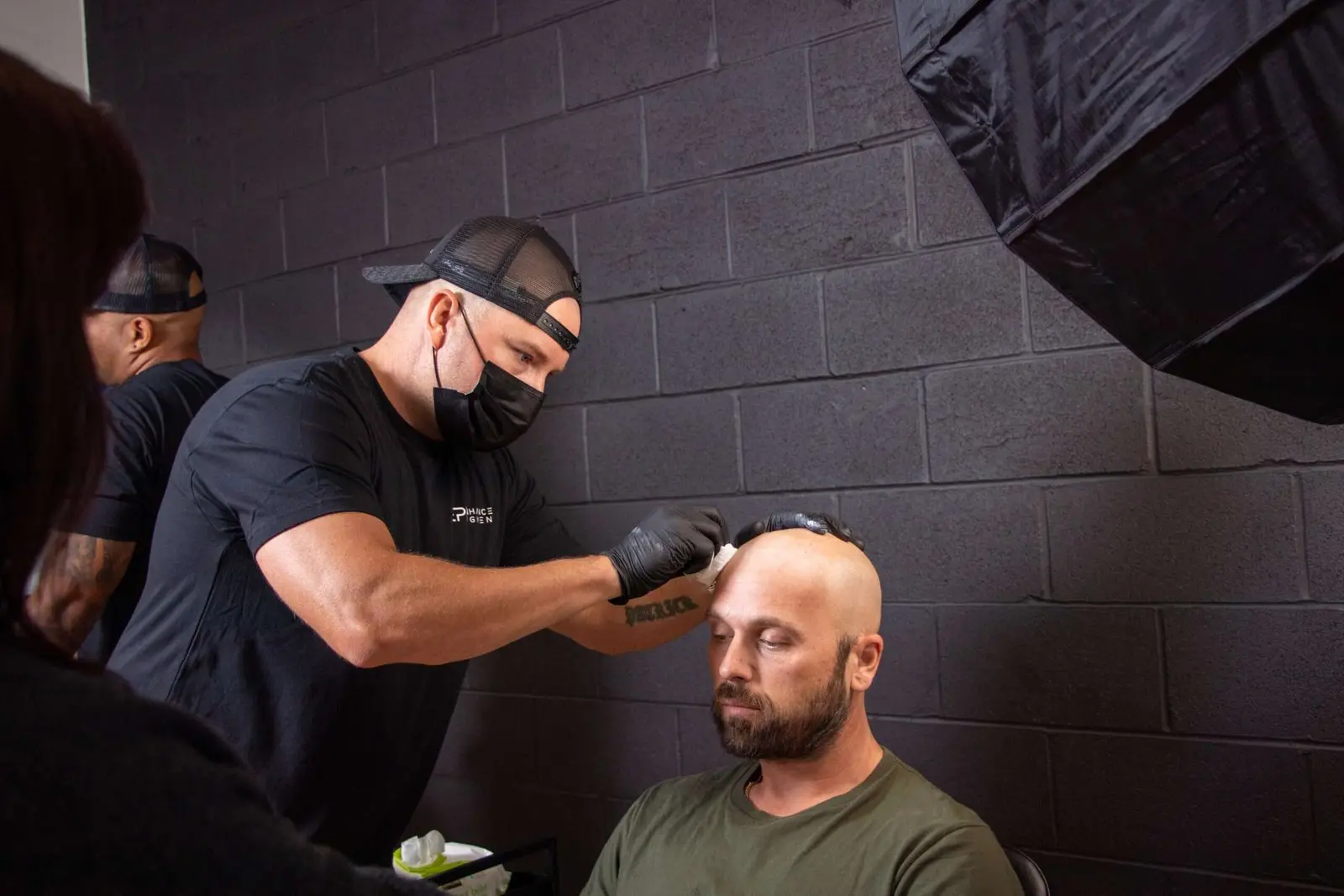
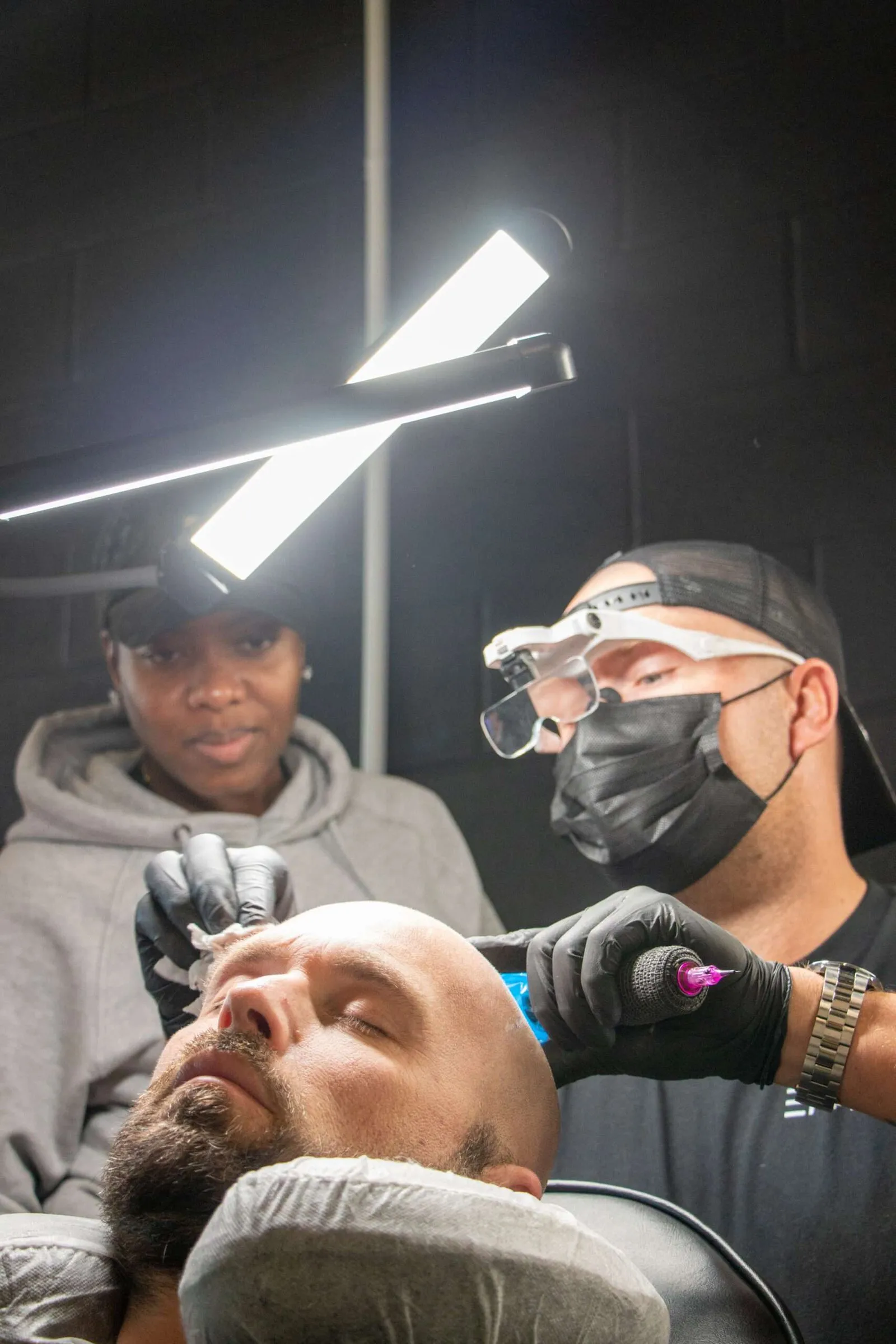
Session 2 builds density with new impressions placed between the first ones.
How corrective SMP works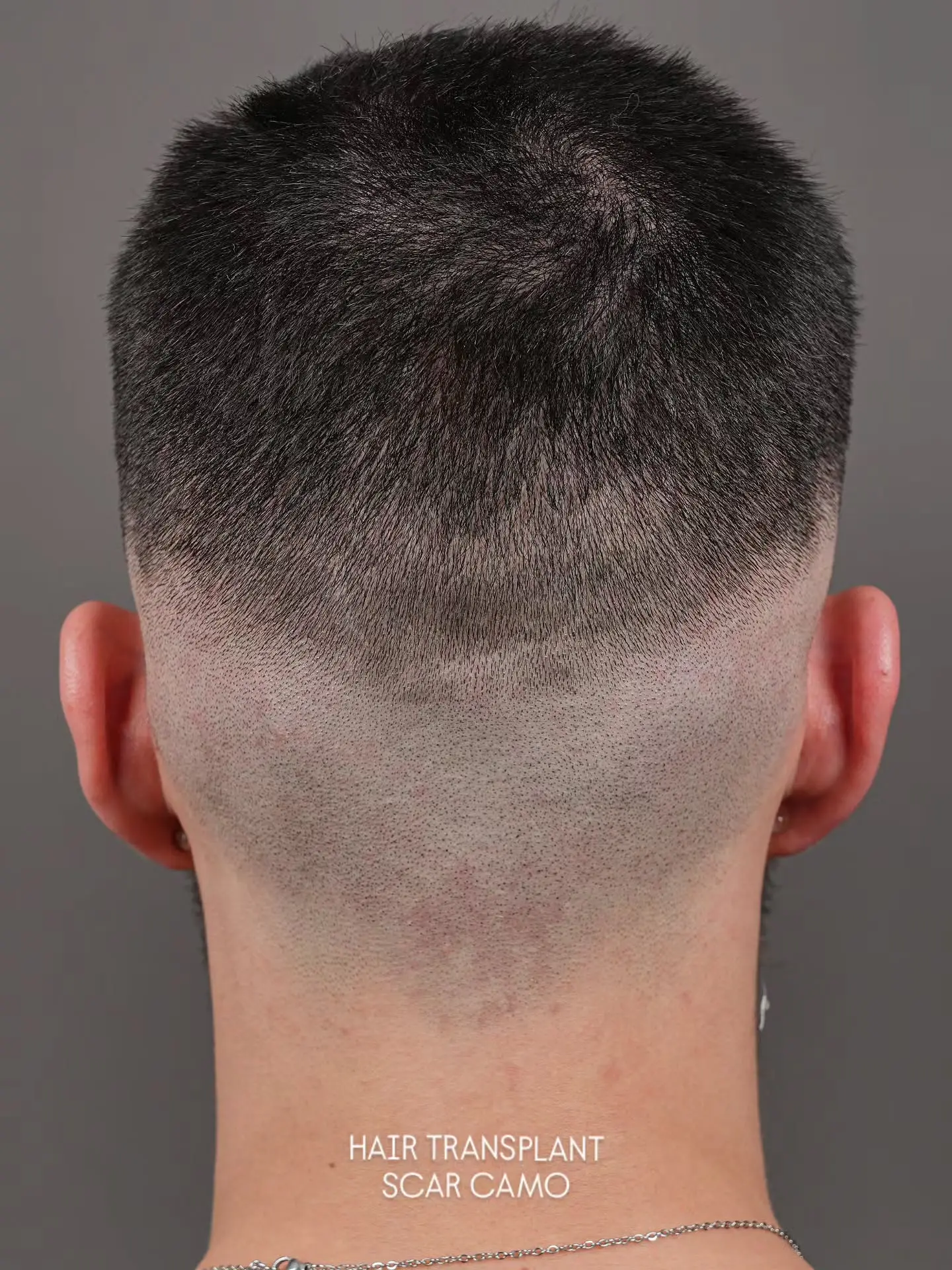
In James's words
Client profile
Age 20's
Caucasian
FUE donor scarring from previous hair transplant
Treatment overview
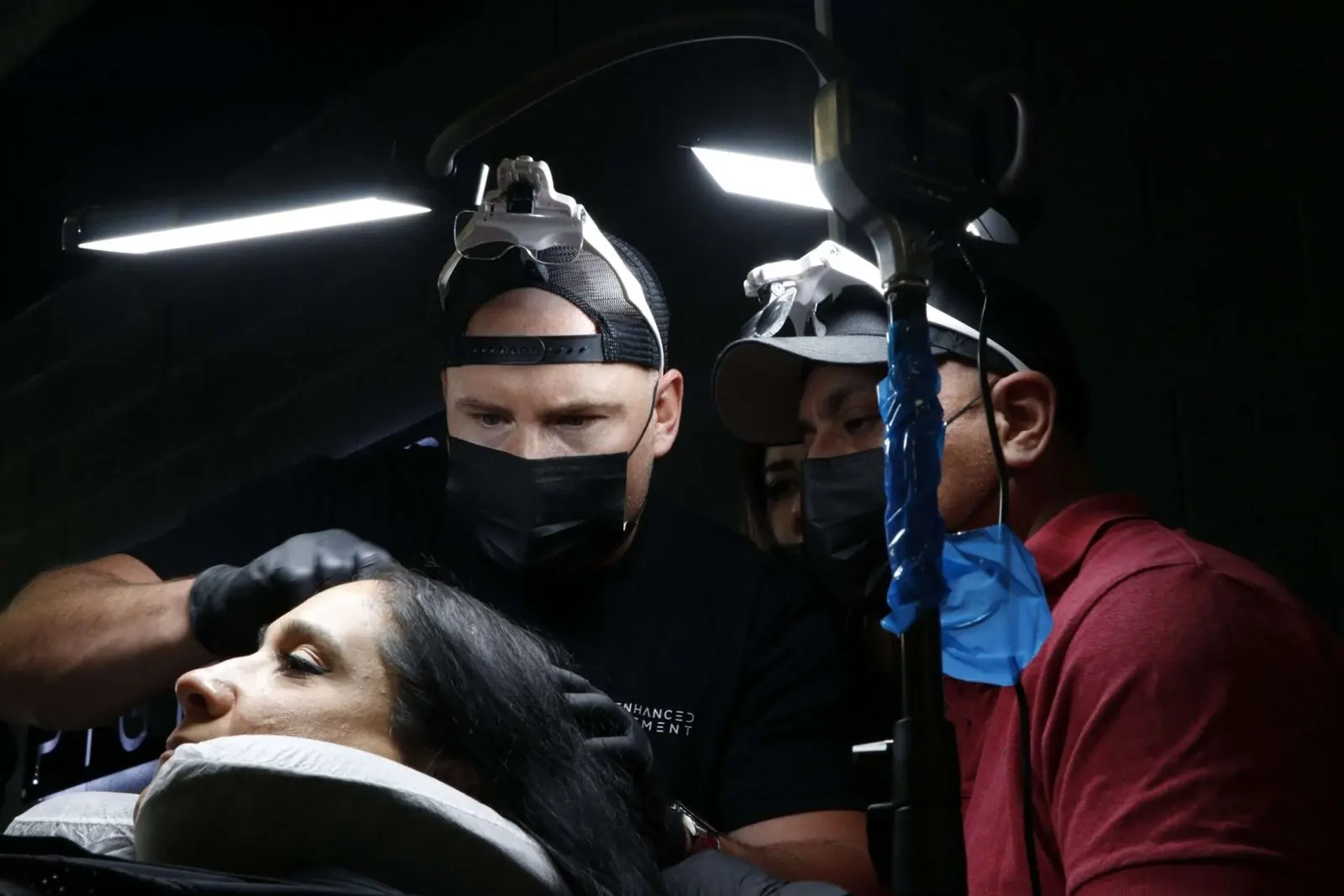
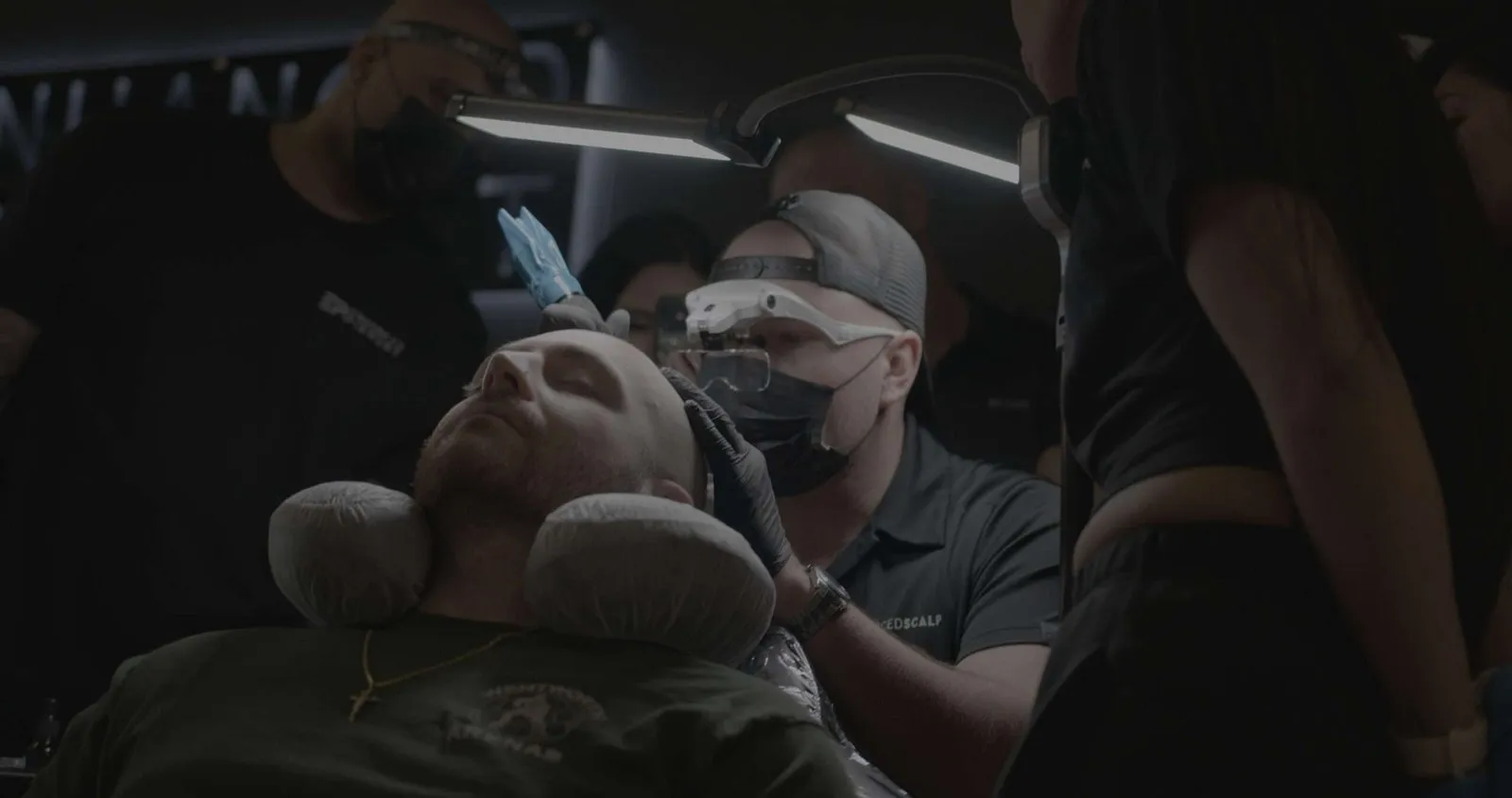
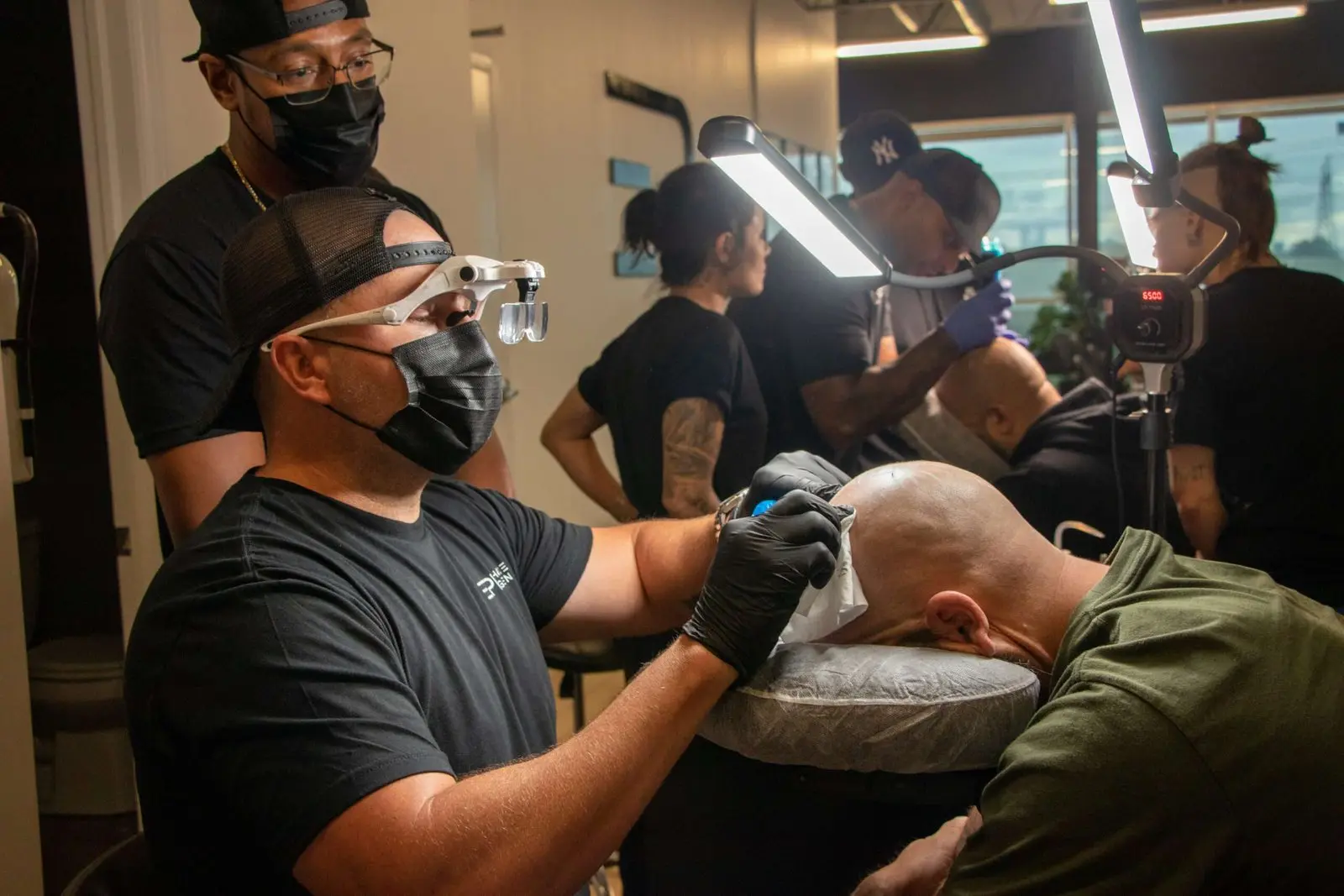
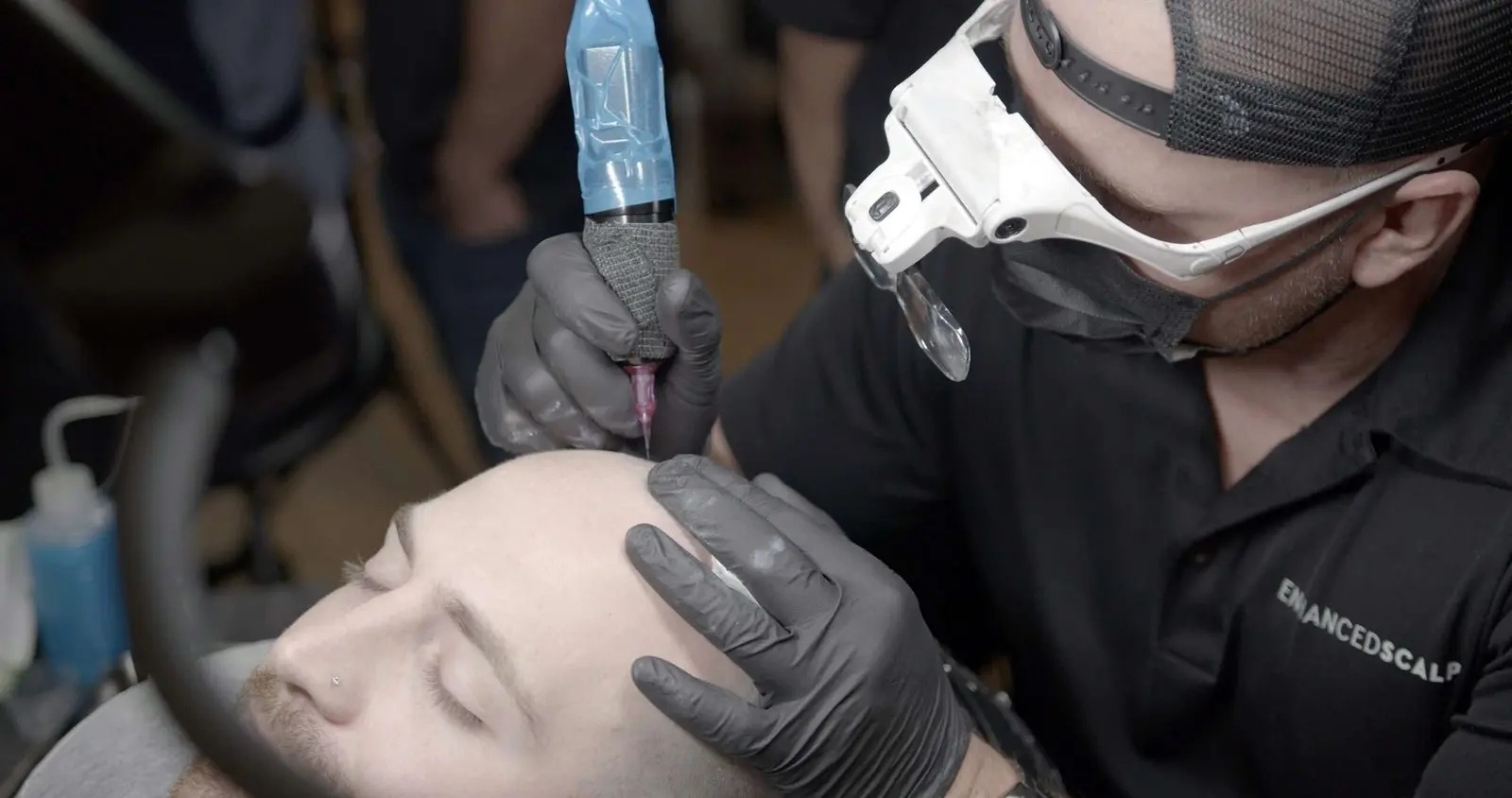
Following the initial foundation, this second session focused on controlled density build and tonal refinement throughout the donor region.
Pigment was taken slightly darker to safely build the overall shade and improve blending, without oversaturating the tissue or compromising the final outcome.
Scar tissue responds unpredictably. There is no fixed formula or one technique that applies to every case. This work is instinctive and must be approached with patience, precision, and restraint.
A slow and methodical layering process was used to ensure the skin continues to accept pigment properly while maintaining a natural appearance.
This is where most mistakes are made.
Overworking scar tissue or pushing density too aggressively will result in poor healing, migration, or an unnatural finish.
The goal remains consistent — gradual progression, full control, and a result that holds up under any lighting condition.
Dots will appear darker immediately post-treatment. This is expected. As the skin heals, impressions will soften, lighten, and settle into a more natural tone.
No filters. No editing.
Documented under professional studio lighting.
Posted on Instagram on April 19, 2026
Written by
James Christopher
4 more from this post
Each print opens full screen.