Case No. 316
Session 2 of 3 • challenging skin type
Scar camouflage and density on the scalp chart
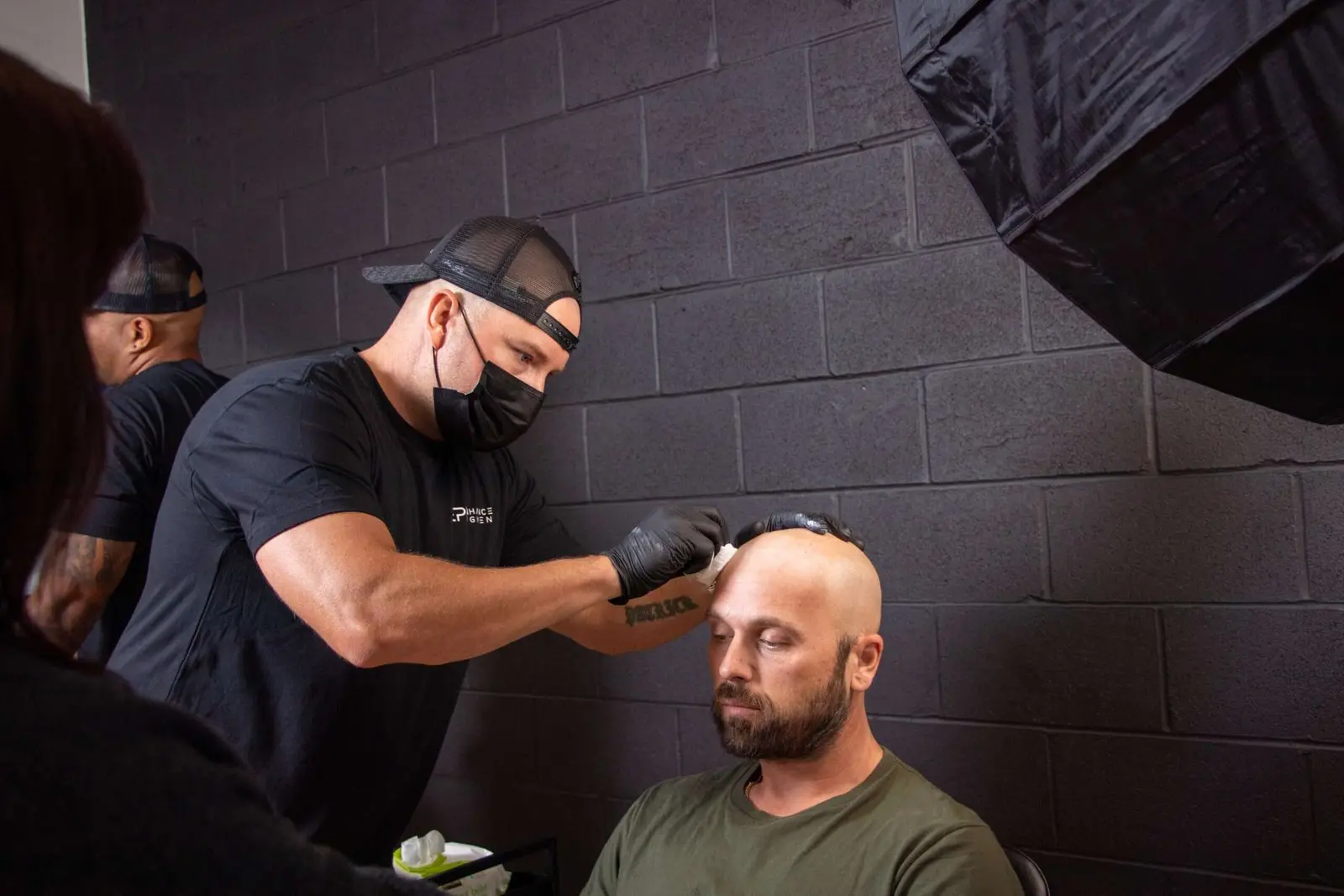
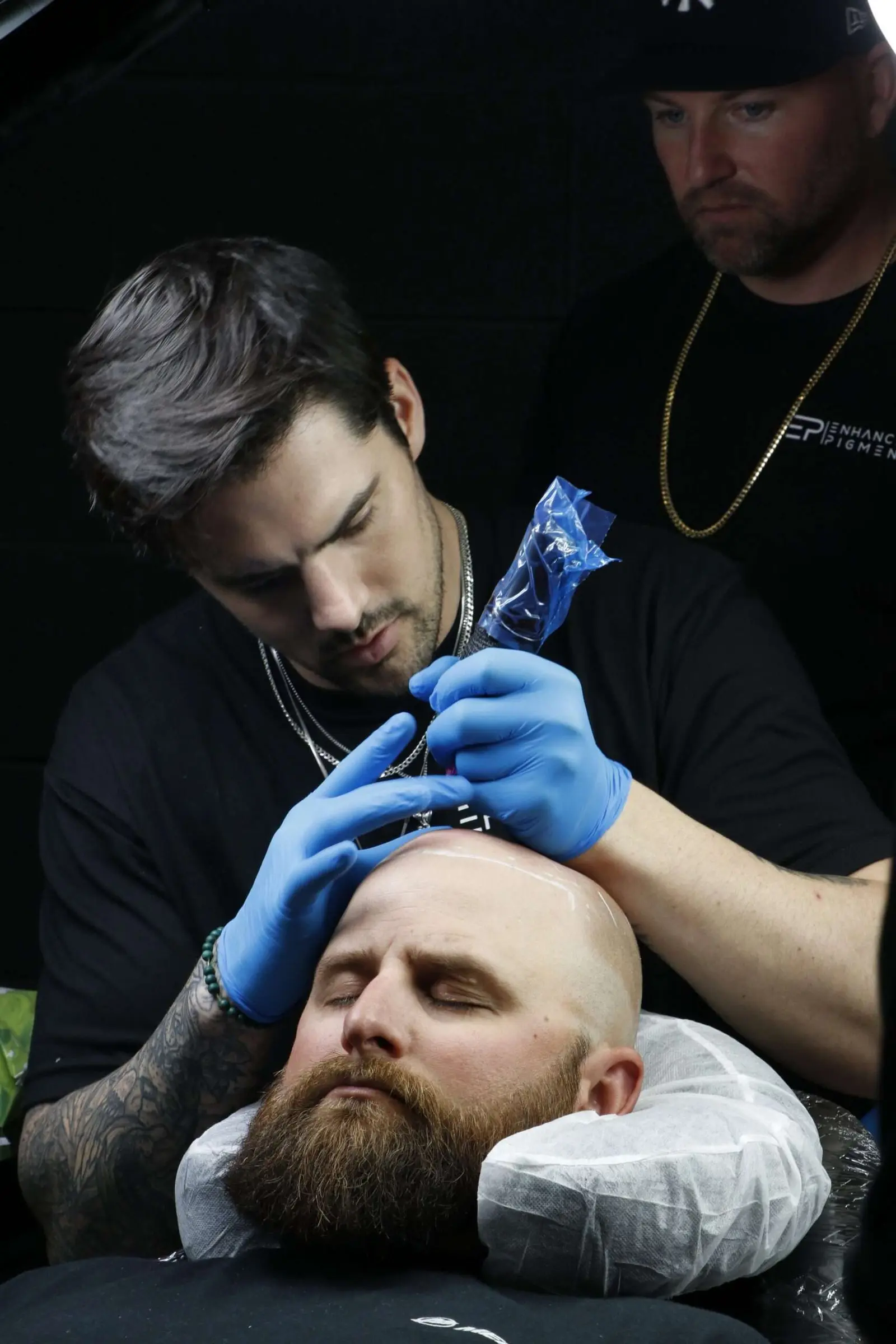
At the consultation, James sketches the area he will treat on a chart like this one.
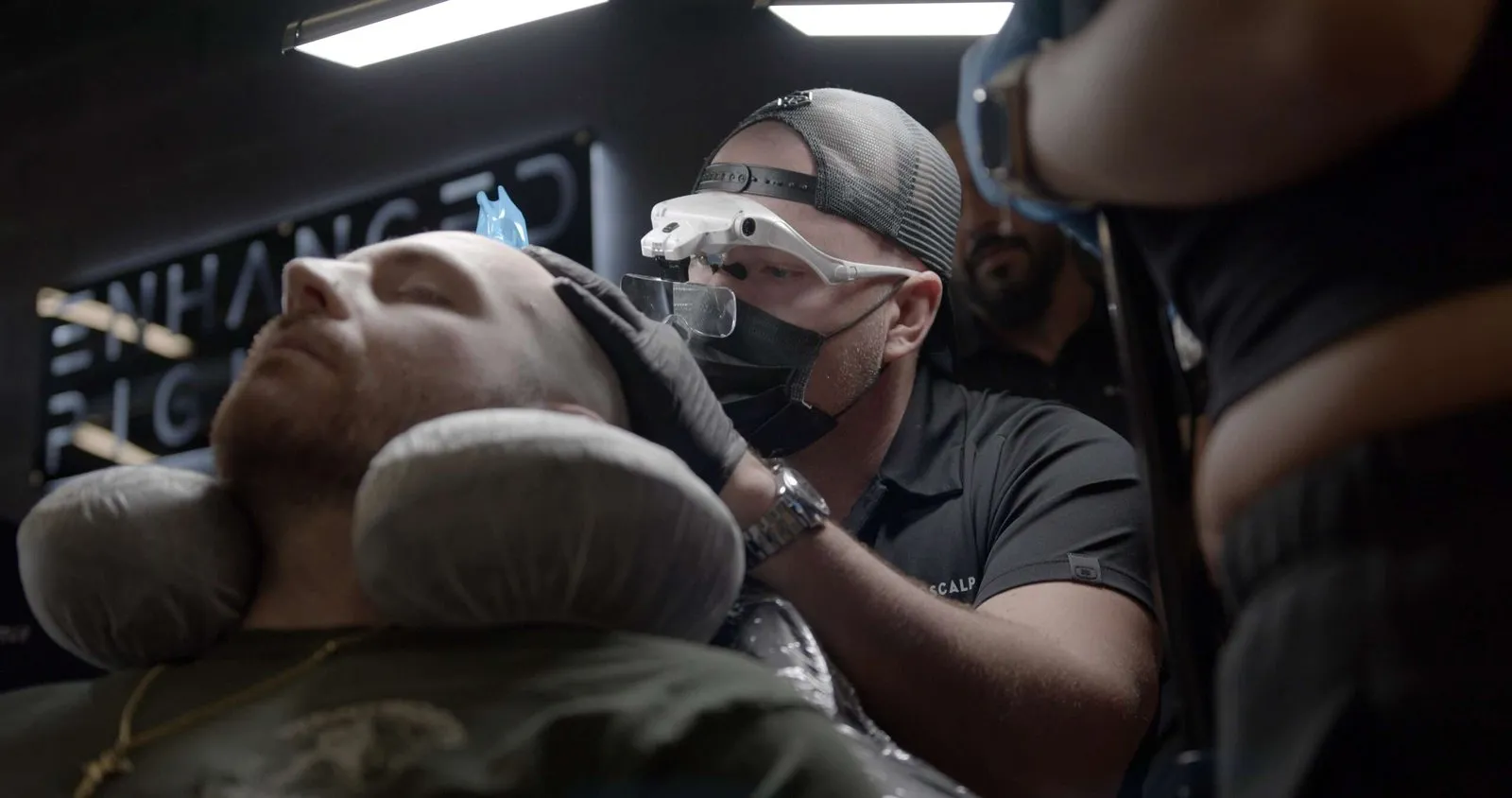
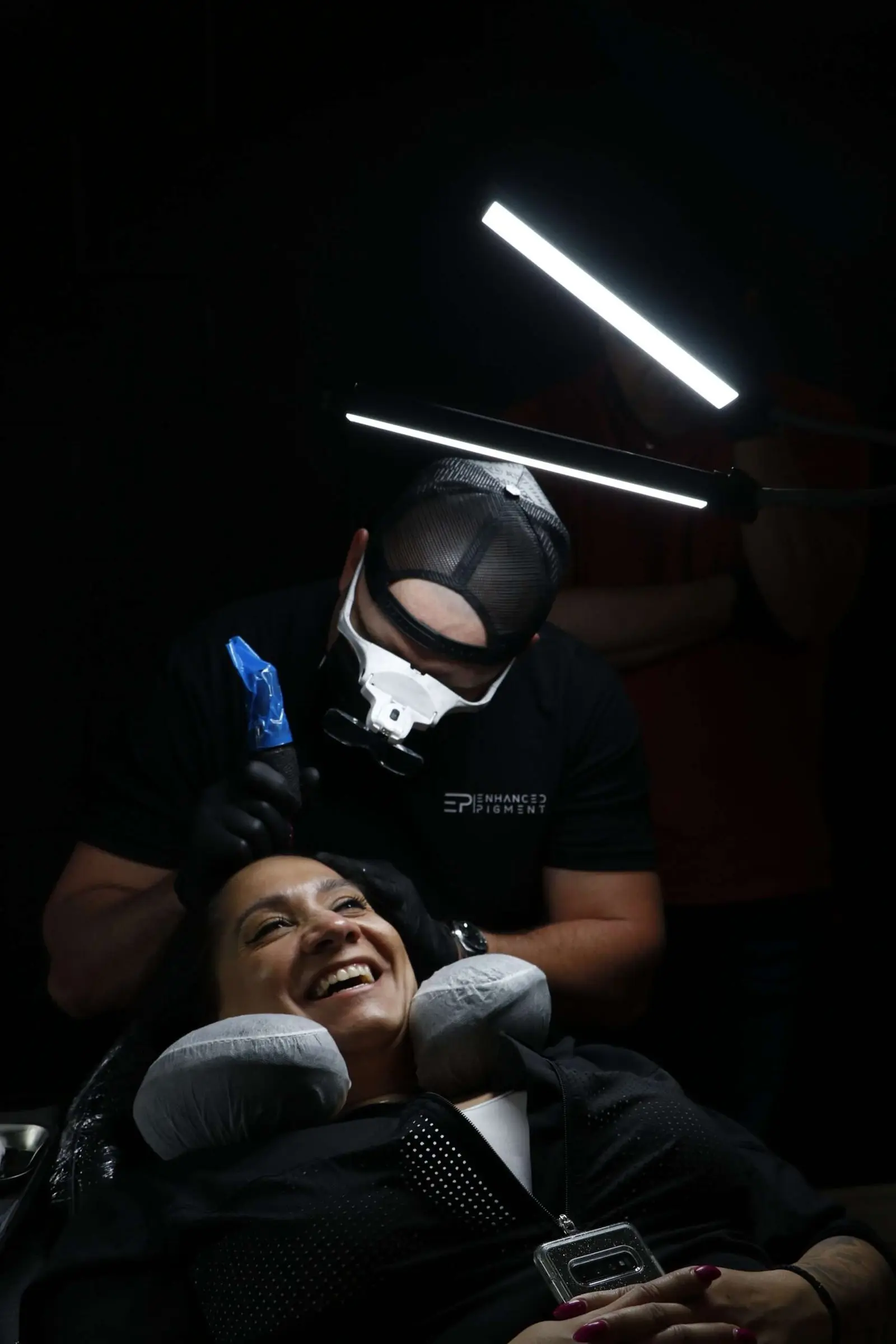
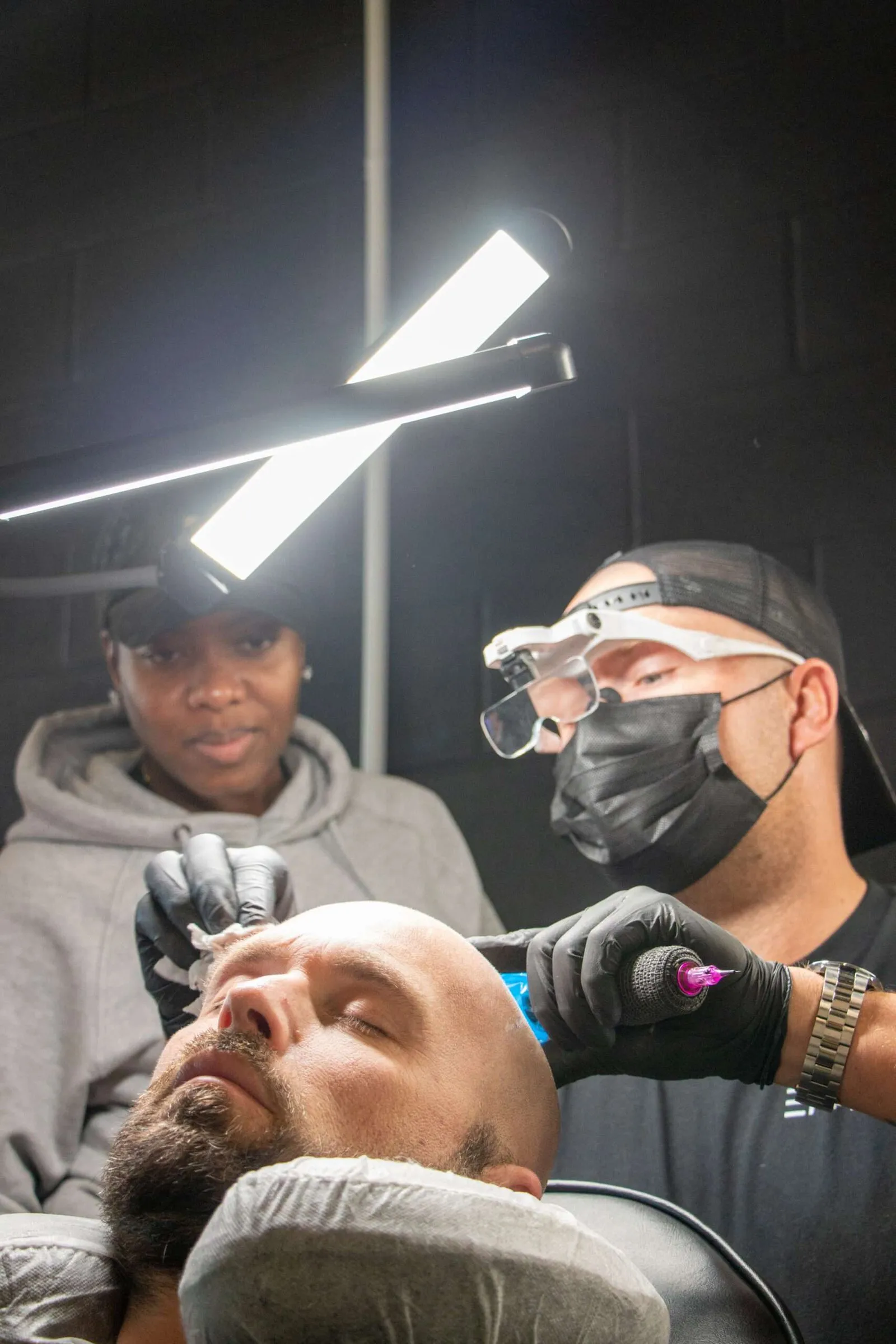
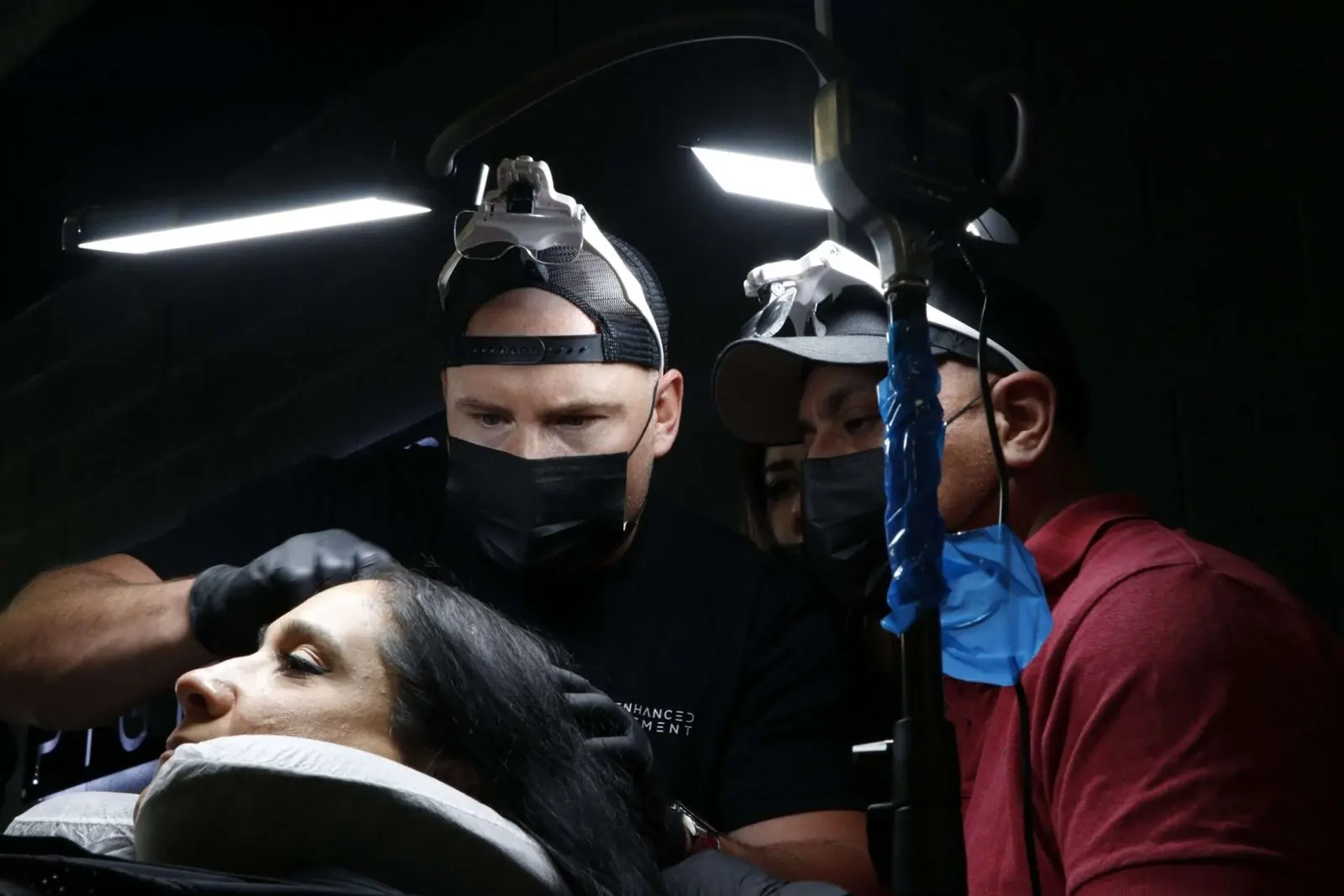
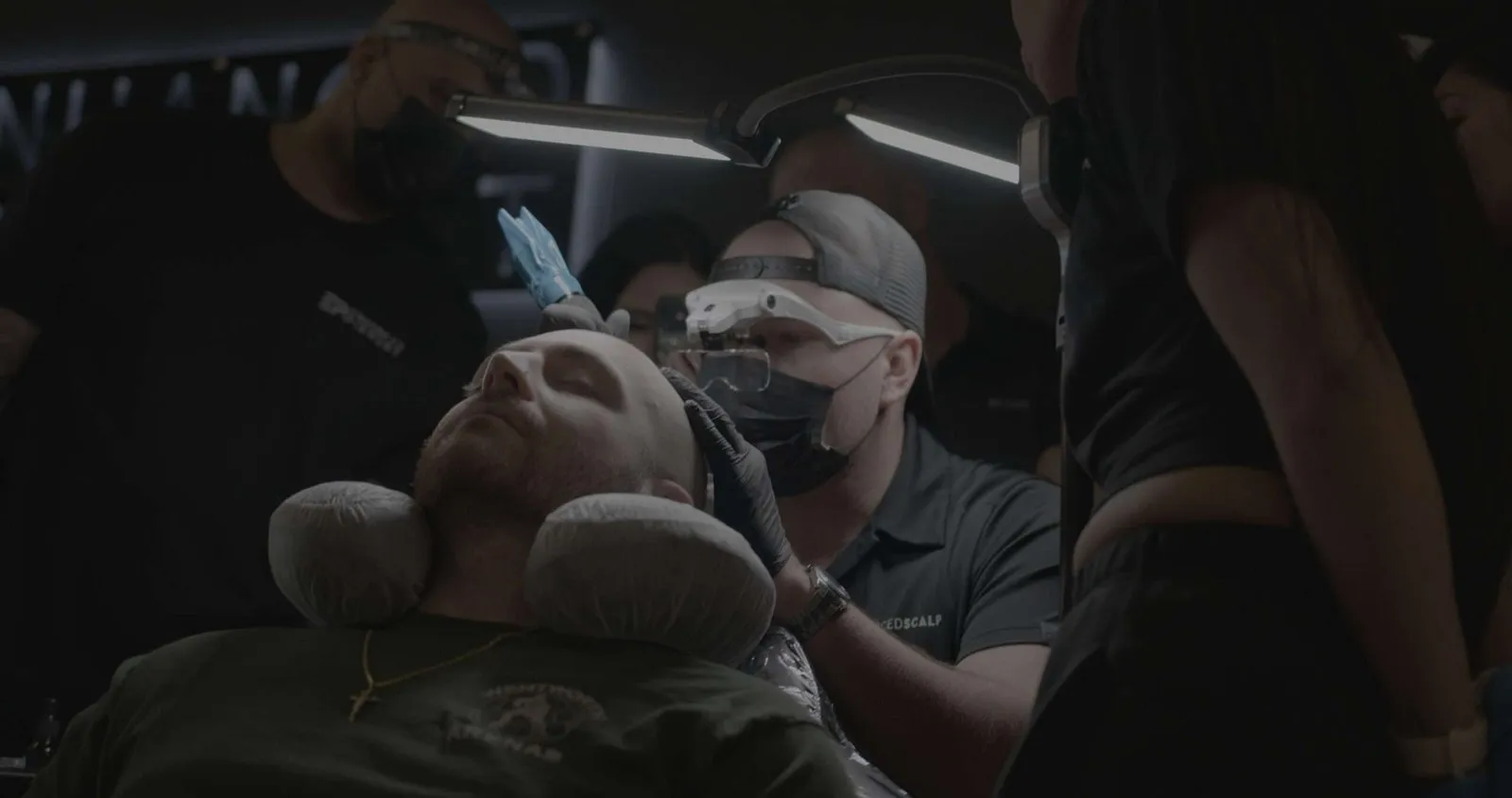
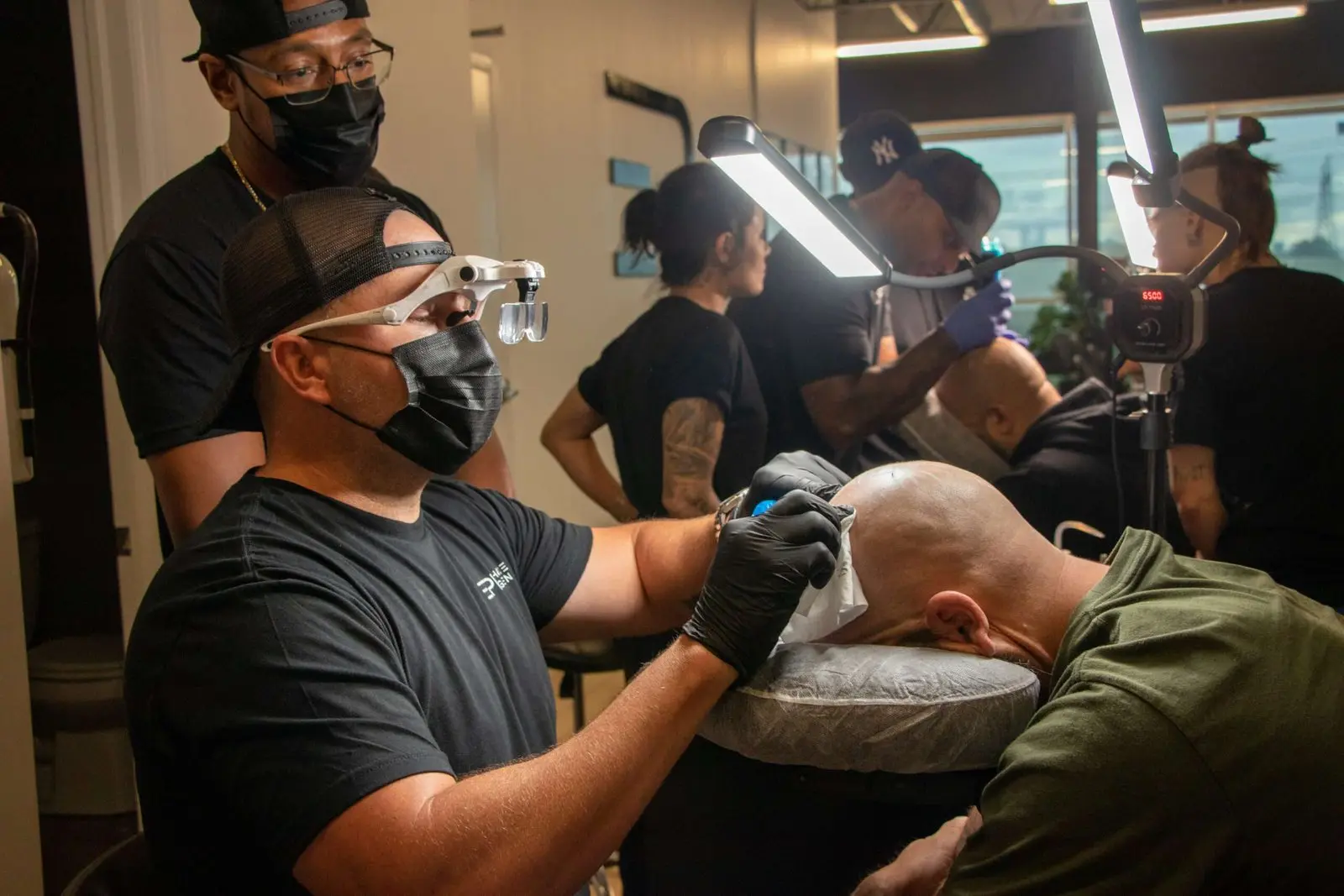
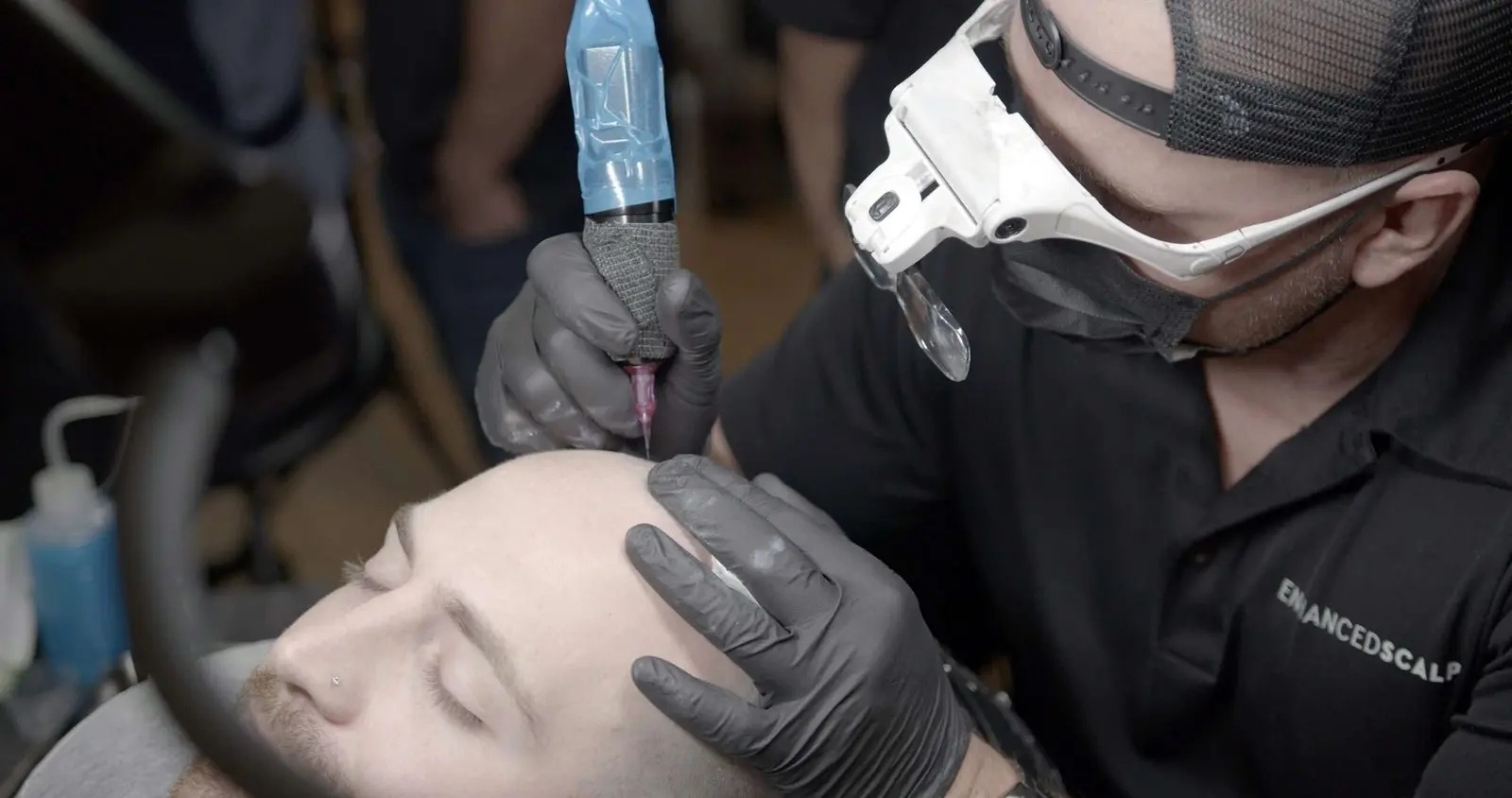
Session 2 builds density with new impressions placed between the first ones.
How scar camouflage works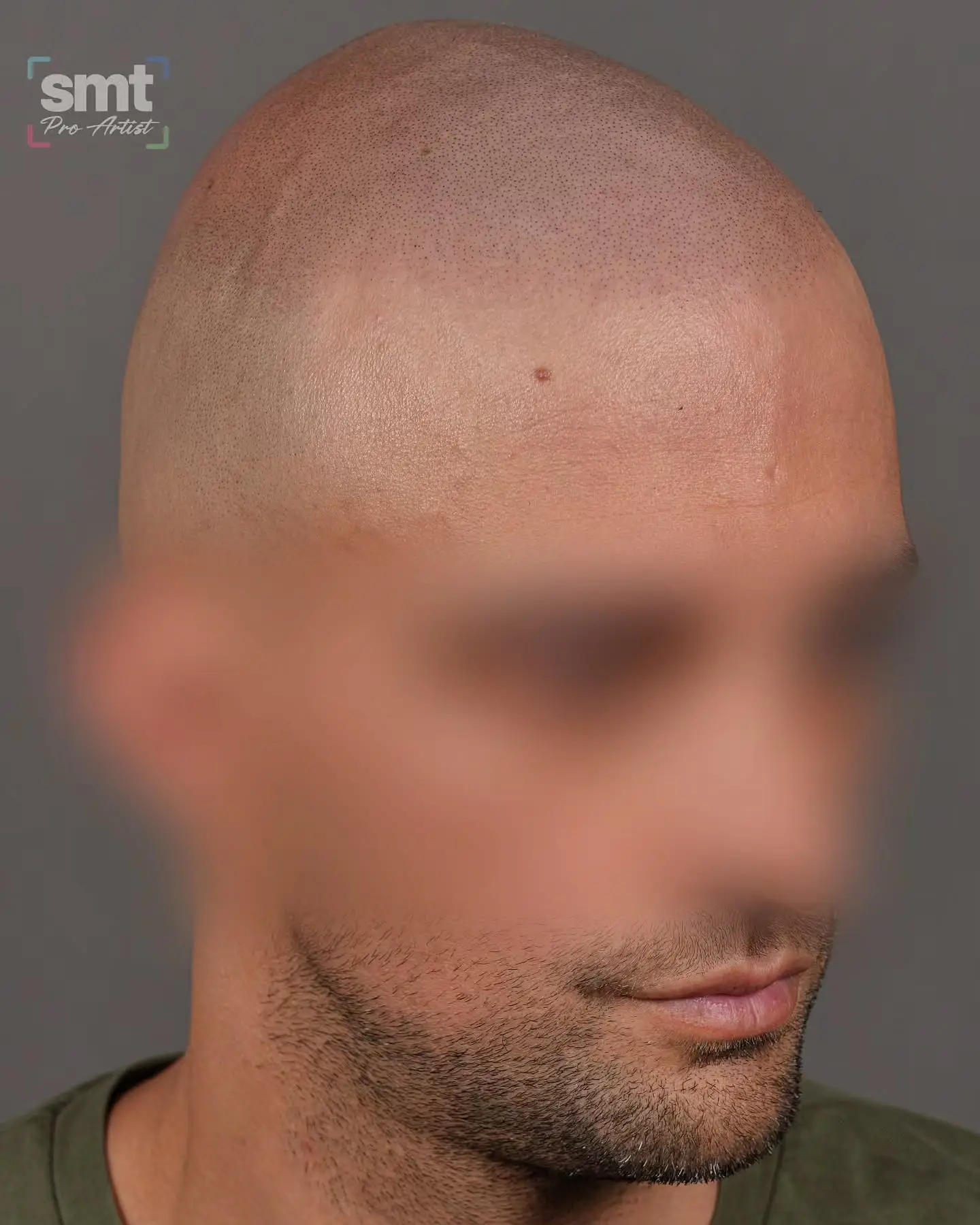
In James's words
Not all scalps are created equal.
Fibrosis, scar tissue, skin thickness, elasticity, sun damage, and previous trauma can all affect how pigment heals and retains.
This client presented with a particularly challenging skin type, where different areas of the scalp retained pigment at different rates and intensities following the first session.
This is exactly why scalp micropigmentation should never be rushed.
Rather than forcing density in a single appointment, we build gradually, assess how the skin heals, and adapt the treatment plan accordingly. The goal is not to create the darkest result possible—it's to create the most natural result possible.
As you zoom in, you'll notice we openly showcase our work under close inspection without filters, sharpening, shadows, or editing tricks.
Real skin.
Real healing.
Real SMP.
Please note these photos were taken immediately after Session 2. Mild redness is present throughout the treatment area and will continue to settle over the coming days as the scalp heals.
Session 3 will focus on further refinement, balancing, and responding to how the skin heals from today's work.
Choose your artist wisely.
Sponsored by:
Posted on Instagram on June 9, 2026
Written by
James Christopher
7 more from this post
Each print opens full screen.